
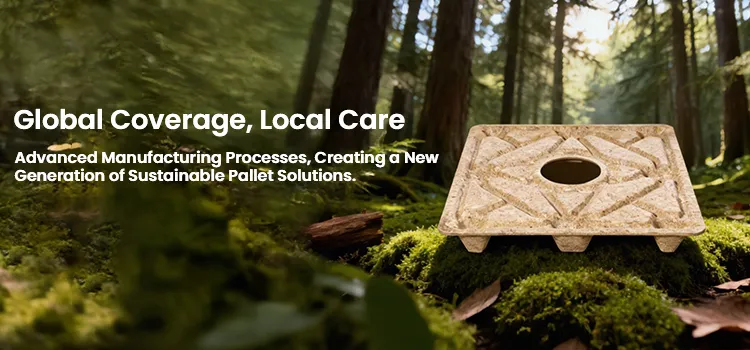
In high rack warehouses, pallet stability is far from a small operational detail. It affects worker safety, product protection, rack utilization, and the reliability of every forklift or automated handling cycle. A well-designed molded pallet offers a consistent, one-piece platform that helps reduce weak points commonly associated with nailed assemblies, making it a practical option for buyers evaluating safer high-density storage.
Why Stacking Stability Fails in Tall Rack Storage
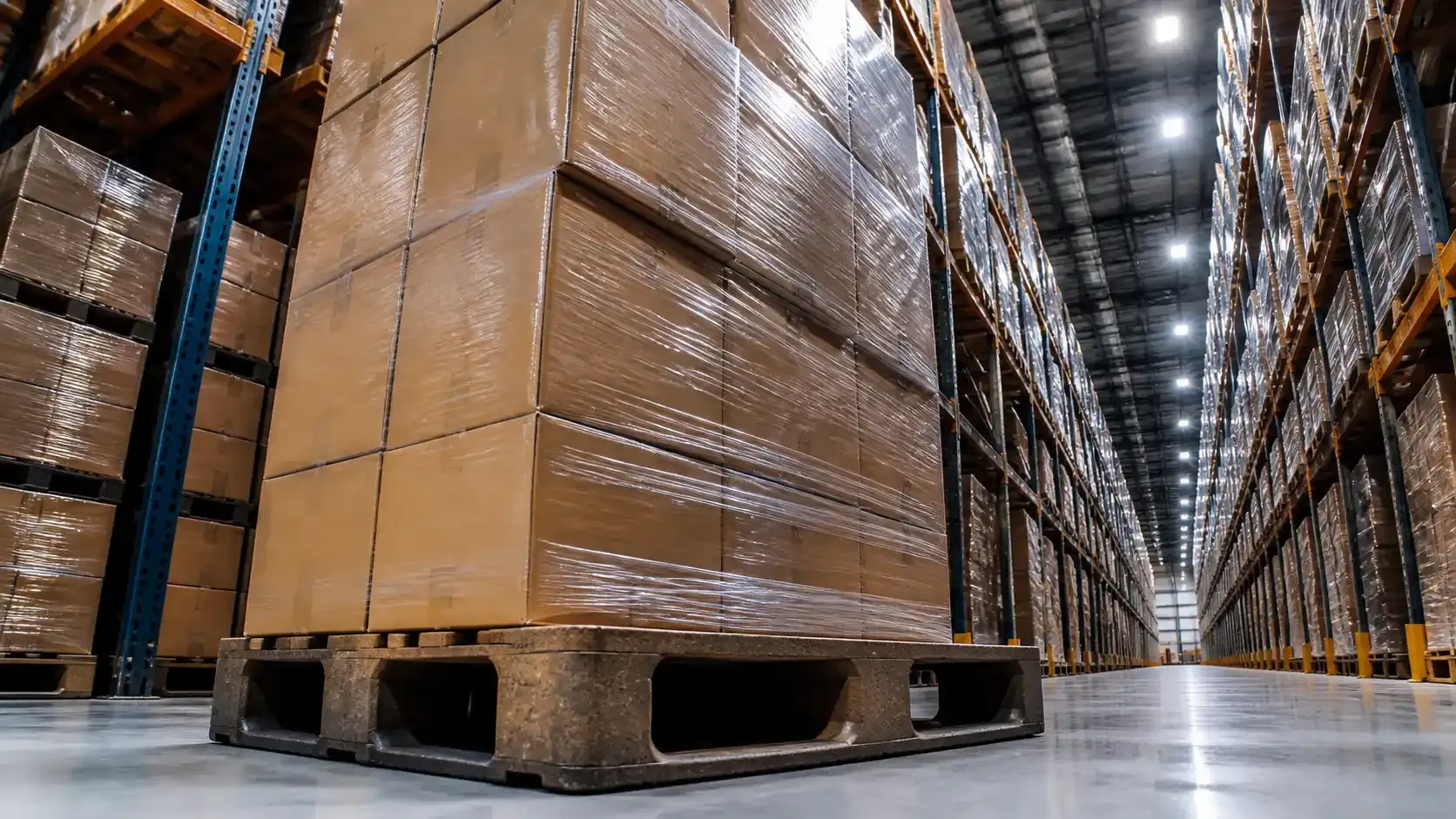
High rack storage places pallets under sustained vertical load, beam support pressure, and repeated handling stress. When the pallet base is uneven, warped, or weakened by loose fasteners, the unit load can begin to lean. Even a small amount of deflection may affect carton alignment, rack seating, and handling accuracy.
Traditional wooden pallets are widely used, but their performance depends on wood quality, fastener condition, moisture exposure, and assembly consistency. In comparison, a molded pressed pallet is formed through high-temperature and high-pressure compression molding of recycled wood materials such as wood chips, sawdust, scrap wood, and waste pallets. This manufacturing method creates a nail-free structure that can support stable logistics operations when matched correctly with the load and rack system.
What Makes a Molded Pressed Pallet More Predictable
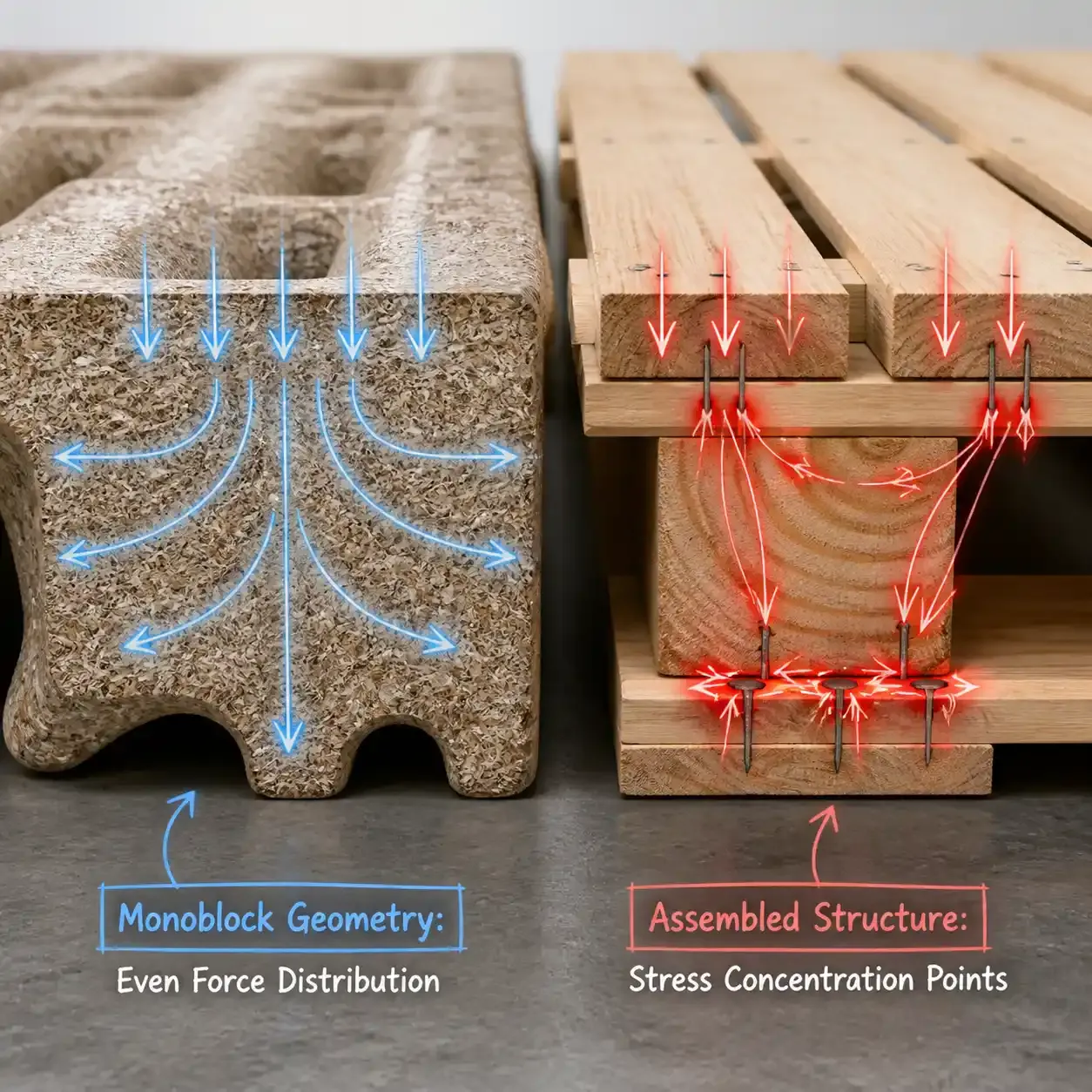
A molded pressed pallet is valued because its structure is created as an integrated platform rather than assembled from many separate boards. The one-piece construction removes nails, joints, and mechanical fasteners from the main load-bearing surface. That matters in high rack warehouses because fewer discontinuities generally mean fewer locations where stress can concentrate.
The molded pallet structure also supports dimensional consistency. In automated or high-density storage environments, consistent pallet geometry helps handling equipment engage the load more predictably. Pallet manufacturers focused on presswood solutions often emphasize smooth surfaces, uniform form, and fastener-free safety because these features reduce the risk of product puncture, splinters, and loose metal parts during movement.
How Monoblock Geometry Supports Load Distribution
The strongest advantage of a wooden molded pallet is its monoblock geometry. Instead of relying on separate deck boards and stringers, the platform is pressed into a continuous shape. This helps distribute weight across the top deck and transfer pressure toward the supporting contact points below.
For beam racking, the underside of the pallet is especially important. Molded designs commonly use reinforced ribbing and shaped support areas to improve stiffness and reduce unnecessary dead weight. When a molded pallet sits evenly on rack beams, the load is less likely to twist, sag, or tilt. This is especially useful for cartonized goods, food processing supplies, electronics, pharmaceuticals, chemicals, and manufacturing materials where packaging alignment and product integrity are important.
Molded Pallet Versus Conventional Wooden Construction
The main difference between a molded pallet and a traditional wooden pallet is not only the material form but also the way force travels through the structure. In an assembled pallet, loads pass through deck boards, fasteners, stringers, and bottom boards. If any part loosens or deforms, the overall structure may become less stable.
A wooden molded pallet reduces this type of assembly-related variability. Its smooth, fastener-free surface can help protect cartons and delicate packaging from nail damage. Its compressed wood fiber structure also offers improved resistance to warping compared with ordinary wood in humid storage or shipping conditions, provided the pallet is used within its intended operating limits.
| Evaluation Point | Molded Pressed Pallet | Traditional Wooden Pallet |
|---|---|---|
| Main structure | One-piece pressed wood form | Deck boards, blocks or stringers, fasteners |
| Surface safety | Nail-free and smooth | May include nails, splinters, or rough edges |
| Dimensional behavior | Designed for uniform geometry | Can vary with wood quality and moisture |
| Empty storage | Nestable designs can save space | Usually less compact when empty |
| Common use focus | Export, storage, packaging, transport | General transport and warehousing |
Interaction With Racks, Forklifts, and Unit Loads
Stacking stability depends on the full system, not the pallet alone. A molded pressed pallet must match the rack beam spacing, load distribution pattern, forklift entry direction, and product packaging format. Four-way entry designs can improve handling flexibility because operators can approach from multiple directions, reducing unnecessary repositioning in narrow aisles.
For unit loads, a stable base improves the chance that cartons remain square during storage and movement. A compressed wood platform can also elevate goods away from damp floors and provide a consistent foundation for stacking. In carton packaging logistics, molded wood pallets are used to support multi-layer carton loads, helping maintain alignment during warehousing, forklift handling, and outbound transportation.
Why Pallet Manufacturers Are Moving Toward Presswood Designs
Many pallet manufacturers are paying closer attention to molded pressed pallet designs because supply chains increasingly require cleaner handling, export readiness, and better storage density. Presswood pallets are commonly appreciated for their use of recycled wood materials, nail-free surfaces, moisture resistance, and nestable shapes.
For buyers comparing pallet options, the question is not whether one format is universally best. The practical question is whether the pallet geometry, load rating, entry style, and storage method match the warehouse’s real conditions. A molded pallet can be a strong choice when consistent shape, smooth handling, and space-saving empty storage are priorities.
Practical Selection Checklist for High Rack Buyers
Before selecting a wooden molded pallet for high rack use, buyers should review the full operating environment:
Confirm static, dynamic, and racking load requirements with the supplier.
Check rack beam spacing and whether the pallet is intended for beam support.
Review forklift, pallet jack, conveyor, or automation compatibility.
Match pallet size to carton footprint to avoid overhang or uneven loading.
Consider humidity exposure during storage, export, and sea freight.
Inspect pallet condition regularly, especially after impact or heavy handling.
Ask pallet manufacturers for product guidance based on the intended load pattern.
When properly specified, a molded pressed pallet can help warehouses improve rack seating, reduce handling damage, and support more predictable stacking performance.
FAQs
Why is a molded pallet useful in high rack warehouses?
A molded pallet provides a consistent, one-piece platform that helps distribute load pressure and reduce assembly-related weak points. This can improve rack alignment when the pallet is correctly matched to the rack and load.
Is a molded pressed pallet the same as a traditional wooden pallet?
No. A molded pressed pallet is formed through compression molding of recycled wood materials, while a traditional wooden pallet is assembled from boards, blocks or stringers, and fasteners.
Can a wooden molded pallet be used for export logistics?
A wooden molded pallet is commonly used in export-oriented logistics because its pressed wood structure and nail-free design support safe handling and efficient storage. Buyers should still confirm all destination and shipment requirements before procurement.
What should buyers ask pallet manufacturers before ordering?
Buyers should ask about load ratings, rack compatibility, pallet dimensions, entry direction, moisture resistance, empty nesting, and suitability for the specific warehouse layout.
Does pallet stability depend only on pallet design?
No. Stability also depends on carton strength, stacking pattern, load weight, rack beam spacing, forklift handling, and storage conditions.


