

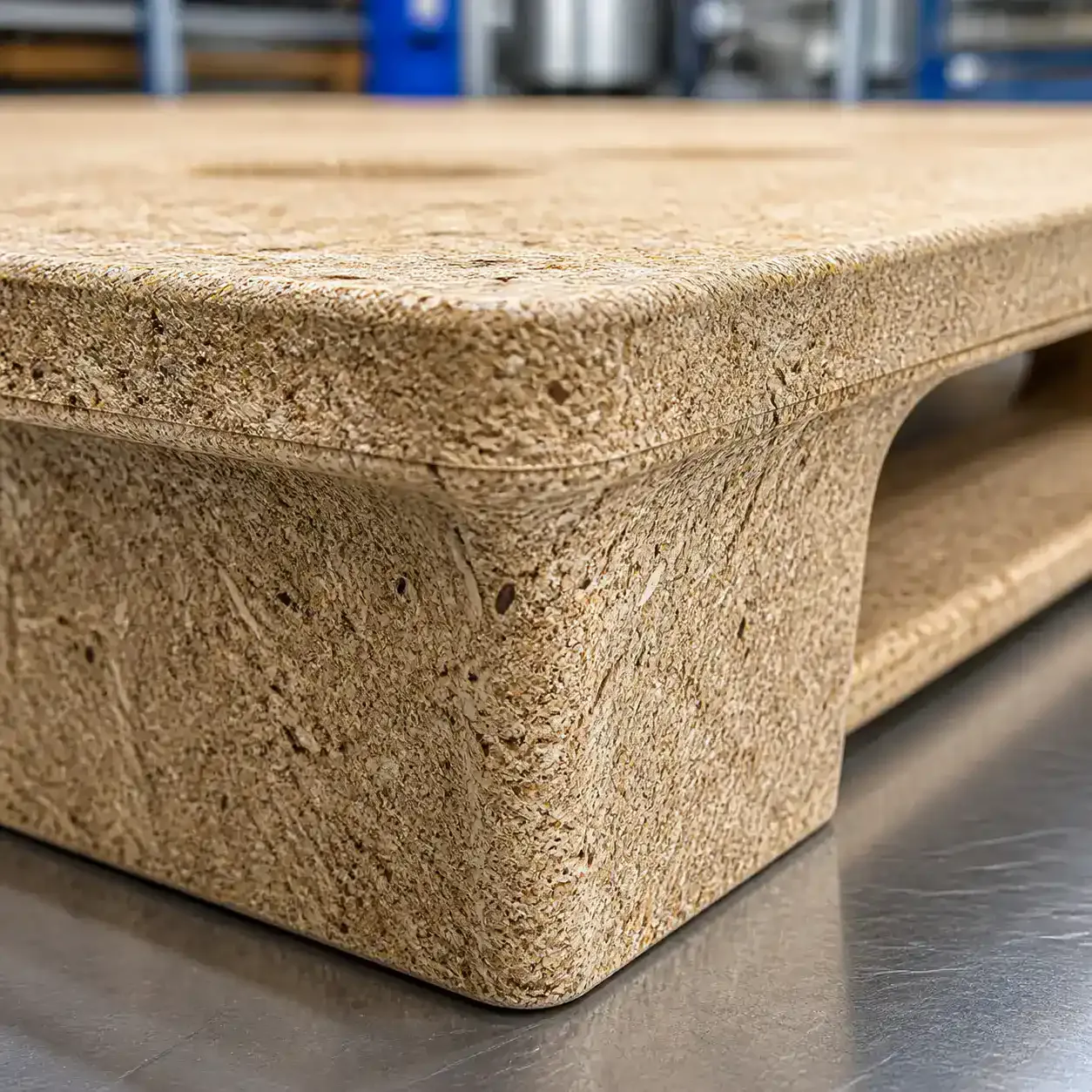
Pharmaceutical cold chain logistics depends on controlled temperatures, clean handling, and repeatable warehouse processes. Packaging, insulation, monitoring devices, and refrigerated transport receive most of the attention, but the pallet underneath the load can influence stability, airflow, contamination control, and automation reliability. For buyers comparing materials, a molded pallet is increasingly considered a practical option because it connects the familiar handling logic of wood-based platforms with the dimensional discipline expected in modern logistics. A molded pressed pallet can be especially relevant where buyers need a consistent platform for chilled distribution, export movement, and high-frequency warehouse handling.
Cold Chain Logistics Needs More Than Temperature Control
Cold chain failures are often discussed in terms of refrigeration equipment, dry ice, insulated shippers, and temperature loggers. Yet the pallet also affects how pharmaceutical goods move through storage rooms, loading docks, trucks, and automated systems. In refrigerated and frozen environments, pallets should support stable stacking, safe forklift movement, and predictable positioning during transport.
Traditional wood remains important in this field. The Euro wooden pallet is used in pharmaceutical cold chain distribution because wood construction can maintain structural integrity at refrigerated and frozen temperatures, while open deck construction supports air circulation. At the same time, buyers are also evaluating the molded pallet for operations that require more uniform geometry and a smoother handling surface.
This shift does not mean one pallet type replaces every other option. Instead, pharmaceutical logistics teams increasingly match pallet design to use case. A molded pressed pallet may be selected for export staging, controlled distribution, or warehouse operations where consistency matters. A plastic solution may be preferred for more demanding frozen pharmaceutical applications, especially where strong cold resistance is the top priority.
Why the Molded Pallet Fits Pharmaceutical Handling Priorities
A molded pallet is valued in cold chain planning because compression molding can create a more consistent pallet form than many conventional wood assemblies. In industry discussions, molded platforms are often associated with uniform size, stable weight, and nestable storage. Those characteristics matter when pharmaceutical products pass through multiple handoff points, each with its own handling equipment and warehouse procedures.
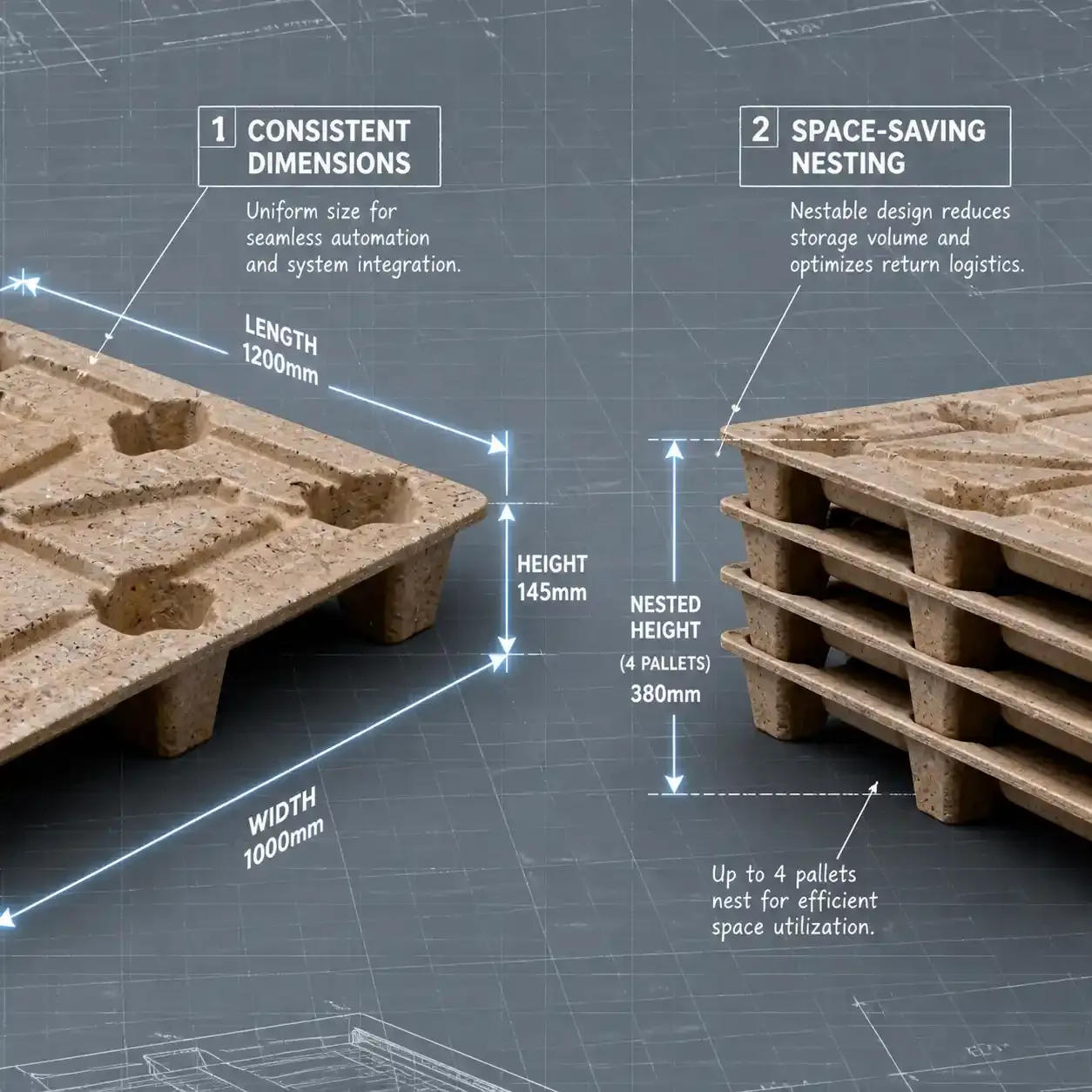
For buyers, consistency is not a small detail. Conveyor systems, pallet jacks, forklifts, and storage lanes all perform better when pallets arrive with predictable dimensions. In pharmaceutical logistics, small irregularities can create delays, product movement, or manual intervention. A molded pressed pallet helps address this concern by offering a controlled platform format that supports more orderly handling.
Hygiene is another reason the category receives attention. Pharmaceutical shipments must avoid unnecessary exposure to dust, splinters, surface damage, and trapped debris. While pallet selection should always match the product, warehouse process, and cleaning expectations, a molded pallet is often evaluated for its smoother surface profile compared with rough or heavily worn timber options.
Molded Pallet vs Wooden Pallet in Cold Chain Decisions
The comparison between a molded pallet and a traditional wooden pallet is not simply about material. It is about how each platform behaves in the actual cold chain route. Wood offers strength, availability, and proven use in chilled and frozen distribution. In food and beverage logistics, open deck wooden pallet construction allows air circulation, which is essential in temperature-controlled environments. The same airflow advantage can also support pharmaceutical cold chain handling.
A wooden molded pallet, however, takes a different approach from nailed timber construction. It is typically discussed as a compressed wood-based platform designed for more standardized handling. For buyers, the practical question is whether the pallet will reduce variation, simplify stacking, and improve warehouse flow without creating unnecessary cost or compatibility issues.
Plastic pallets also have a defined role. Senton Plastic Pallet products are described for sub-zero cold chains, frozen pharmaceutical logistics, automated smart warehousing, and distribution environments where clean handling and predictable movement are important. Some plastic pallet descriptions reference -40°C cold resistance, making plastic a strong candidate for frozen pharmaceutical storage and high-speed fulfillment systems.
Against this background, the molded pressed pallet works best as a balanced choice for buyers who want a clean, consistent, and space-conscious platform while still comparing total cost, route conditions, and handling frequency. A wooden molded pallet may be especially attractive in one-way shipping or export-oriented workflows where nesting, storage density, and simplified handling are key purchasing factors.
Where Molded Pressed Pallet Choices Add Practical Value
In pharmaceutical cold chains, different logistics stages create different pallet demands. During sub-zero storage, cold resistance and dimensional stability become critical. During refrigerated distribution, airflow and clean handling often take priority. During export shipping, the focus may shift toward container utilization, stacking efficiency, and destination compatibility.
A molded pallet can contribute value in staging zones, secondary transport, and warehouse preparation areas where pharmaceutical cartons or insulated shippers need a stable platform before final dispatch. In automated or semi-automated warehouses, predictable pallet form can reduce the risk of handling interruptions. Buyers should still confirm compatibility with their own forklifts, pallet jacks, racking systems, and conveyor layouts before making a specification.
A molded pressed pallet can also support storage efficiency when nestable design is part of the selected product type. In high-volume logistics, empty pallet storage becomes a real operating cost. Nestability can reduce unused space and make return or pre-shipment storage easier to manage. A wooden molded pallet is often considered in these conversations because it combines a wood-based material logic with molded form control.
What Buyers Should Ask Pallet Manufacturers
When speaking with pallet manufacturers, pharmaceutical buyers should avoid relying on material labels alone. The right question is not simply whether a pallet is wood, plastic, or molded. The better question is whether the pallet fits the cold chain route, load type, hygiene expectations, and handling equipment.
A practical specification review should include:
Performance in refrigerated or frozen logistics environments
Surface condition and ease of inspection before loading
Dimensional consistency for conveyors, forklifts, and pallet jacks
Deck design and airflow requirements for temperature-controlled storage
Stackability or nestability for empty pallet management
Compatibility with export packaging and receiving-site equipment
Appropriate load-bearing capacity for the intended cargo
Experienced pallet manufacturers should be able to discuss these points in operational terms rather than only listing broad product categories. For pharmaceutical buyers, the strongest choice is usually the pallet that reduces avoidable handling variation while supporting the validated cold chain process already in place.
How Molded Pallet Selection Supports Export and Automation
International pharmaceutical shipments often move through multiple ports, warehouses, and distribution partners. This makes pallet predictability especially important. If the pallet does not align with receiver handling systems, goods may require extra transfer steps, which increases time and handling exposure.
A molded pallet can support export planning when it offers consistent dimensions, stable stacking behavior, and efficient storage characteristics. In automated warehouse environments, this same consistency can help equipment identify, position, and move loads with fewer interruptions. The value is not only the pallet itself, but the reduction of friction across the logistics chain.
The same logic explains why buyers compare a molded pressed pallet with plastic and traditional wood alternatives. For frozen pharmaceutical logistics, plastic pallets with strong cold resistance may be appropriate. For airflow-focused chilled routes, wooden pallet designs remain relevant. For standardized export staging and space-conscious storage, a wooden molded pallet can become a competitive option.
Conclusion
Pharmaceutical cold chain logistics is moving toward cleaner handling, better automation compatibility, and more predictable distribution processes. In that trend, the molded pallet deserves careful attention. It offers a practical middle ground for buyers who need consistency, handling efficiency, and a more controlled pallet format without ignoring the proven roles of wood and plastic.
The best result comes from matching the pallet to the route. A molded pressed pallet may support export, staging, and controlled warehouse operations. Plastic pallets may fit frozen pharmaceutical distribution where cold resistance is central. Wooden pallets remain useful where strength and airflow are important. By discussing real operating conditions with qualified pallet manufacturers, buyers can select a pallet system that supports cold chain reliability from storage to delivery.
FAQs
What makes a molded pallet suitable for pharmaceutical cold chain logistics?
A molded pallet is often considered suitable because it can provide consistent dimensions, orderly stacking, and a smoother handling surface. These qualities support controlled movement through refrigerated warehouses, loading areas, and distribution networks.
Is a molded pressed pallet better than a traditional wooden pallet?
A molded pressed pallet is not automatically better in every application. It may offer advantages in dimensional consistency, nesting, and handling control, while traditional wooden pallets remain useful for strength, airflow, and established cold chain workflows.
When should buyers consider a wooden molded pallet?
A wooden molded pallet may be considered when buyers want a wood-based platform with molded-form consistency, especially for export staging, empty pallet storage efficiency, or one-way logistics routes.
Are plastic pallets still important in frozen pharmaceutical logistics?
Yes. Plastic pallets are commonly used in frozen pharmaceutical logistics, and some Senton plastic pallet descriptions reference -40°C cold resistance. Buyers should compare cold resistance, handling needs, and warehouse compatibility before selecting a pallet type.
What should buyers ask pallet manufacturers before ordering?
Buyers should ask pallet manufacturers about cold chain suitability, surface condition, dimensional consistency, forklift and pallet jack compatibility, airflow requirements, stackability, nestability, and load requirements for the specific pharmaceutical shipment.


