

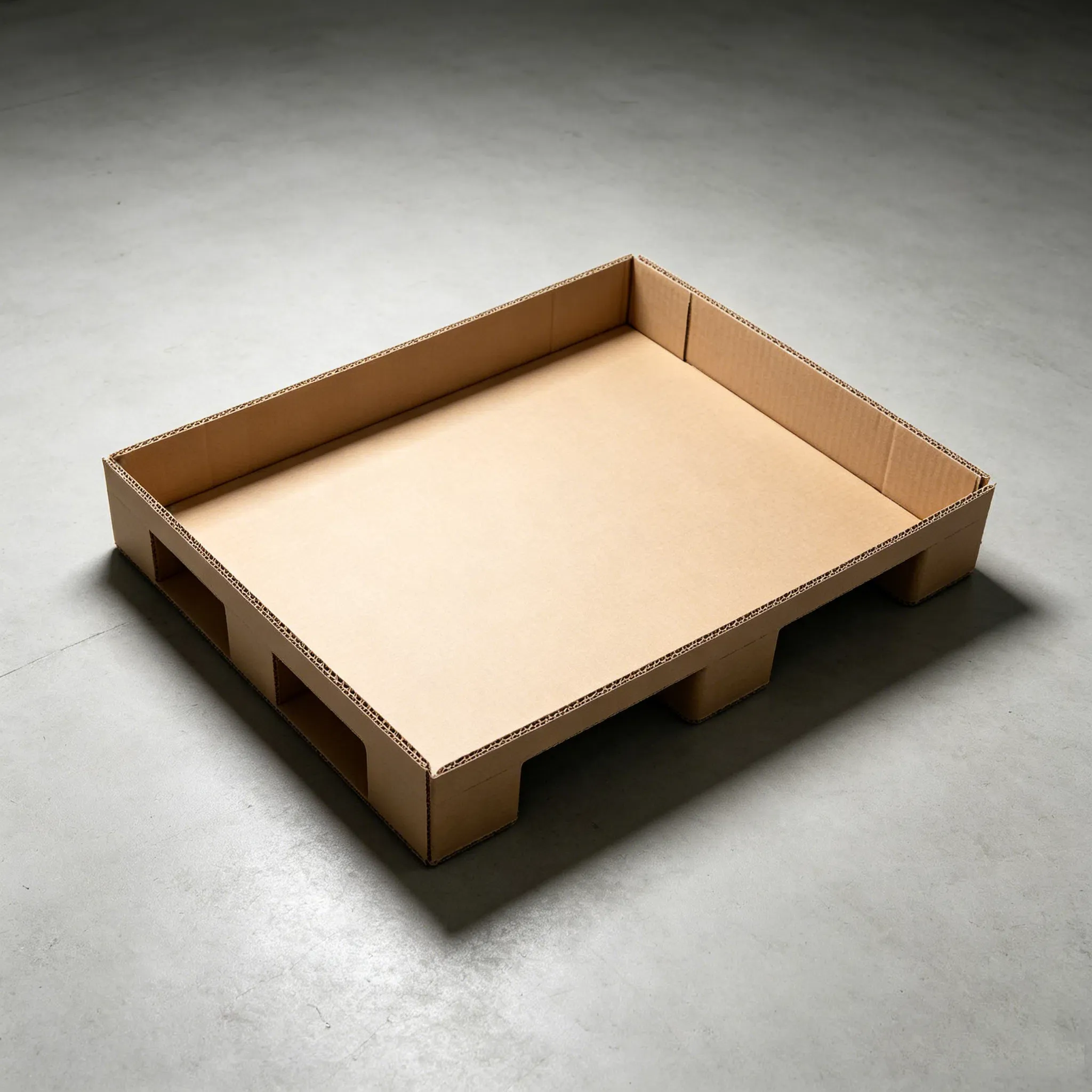
For exporters shipping goods across borders, the cost of a pallet extends far beyond its purchase price. Traditional wooden pallets demand constant attention—nail replacements, board swaps, fumigation treatments, and disposal of broken units. These maintenance activities consume labor, disrupt operations, and create hidden expenses that erode profit margins.
The molded pallet offers a fundamentally different approach. Engineered from recycled wood fibers under high heat and pressure, a molded pallet requires virtually no maintenance throughout its service life. This zero-maintenance advantage is a primary reason why exporters worldwide are choosing the molded pallet over conventional alternatives. Leading molded pallet manufacturers have refined the technology to deliver exceptional durability, moisture resistance, and regulatory compliance—all without the ongoing upkeep that plagues traditional wooden pallets.
This article explores five key maintenance advantages that make the molded pallet the preferred choice for export operations, from elimination of nail-related repairs to superior moisture resistance and simplified compliance.
Zero Nail Maintenance: Eliminating the Most Common Repair Task
Traditional wooden pallets are assembled with dozens of nails—typically 80 to 100 per unit. Over time, as wood shrinks, twists, and expands with humidity changes, nails loosen, protrude, or fall out entirely. The result is a constant stream of maintenance tasks: hammering protruding nails back into place, replacing missing nails, and swapping out boards that have split around nail holes.
The molded pallet eliminates this entire category of maintenance. Manufactured as a single, one-piece unit through high-pressure molding, a molded pallet contains no nails, staples, screws, or any metal fasteners. The wood fibers and resin binder fuse into a homogeneous structure that does not loosen, separate, or develop protruding hazards over time.
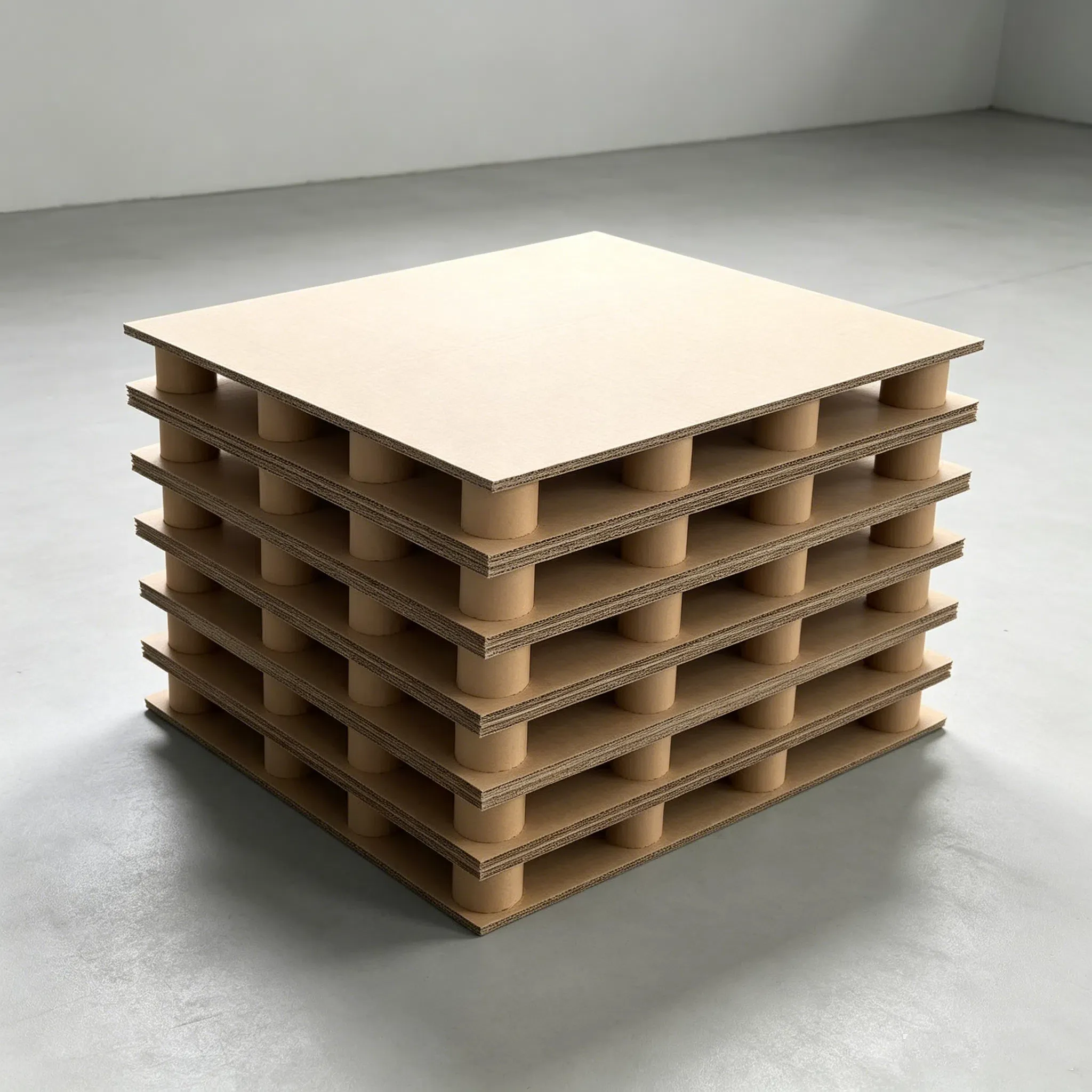
For exporters, the practical implications are substantial. Without nails to protrude and puncture packaging, product damage rates decline significantly. Without boards to split or fasteners to fail, pallet replacement frequency drops dramatically. And without the labor required to inspect, hammer, and replace nails, maintenance costs are virtually eliminated.
Leading molded pallet manufacturers emphasize that the zero-nail design not only reduces maintenance but also improves workplace safety. Traditional wooden pallets are a common source of splinters and nail injuries during handling. A molded pallet, with its smooth, seamless surface, eliminates these injury risks entirely.
Exceptional Durability: Fewer Replacements, Less Upkeep
Maintenance is not just about repairs—it is about replacement. Traditional wooden pallets have a breakage rate of 20 to 30 percent, meaning that for every 100 pallets in circulation, 20 to 30 will fail and require repair or replacement. A typical wooden pallet lasts only 5 to 10 trips before needing attention.
The molded pallet delivers dramatically superior durability. With a breakage rate below 5 percent, a molded pallet far outlasts its conventional counterpart. The high-pressure molding process—typically applying 1250 to 1600 tons of force—creates a dense, impact-resistant structure that withstands rough handling, heavy loads, and repeated cycles.
Independent testing has confirmed that molded wood pallets have a deck that is approximately 50 percent more resistant to impacts and damage by forklifts than standard wooden pallets. The deck is also at least six times as stiff, maintaining dimensional stability even under heavy loads.
For exporters, this durability translates directly to reduced maintenance labor. Fewer broken pallets mean fewer sorting, inspection, and disposal tasks. Fewer replacements mean lower procurement costs and less administrative overhead. And longer service life means the molded pallet delivers a superior return on investment over time.
Leading molded pallet manufacturers report that customers using molded pallets achieve service lives of 5 years or more, compared to 18 months to 3 years for conventional wooden pallets. This extended lifespan dramatically reduces the total cost of ownership.
Moisture and Mold Resistance: Eliminating Rot and Pest Treatments
Moisture is the enemy of traditional wooden pallets. During ocean transit, warehouse storage, or cold chain operations, wooden pallets absorb moisture, leading to swelling, warping, mold growth, and structural weakening. These issues require costly maintenance—drying, cleaning, mold remediation, and often premature replacement.
The molded pallet is engineered to resist moisture. Manufactured at high heat with a low moisture content of 6 to 8 percent, a molded pallet is sterile and offers no biological foothold for mold spores to grow, even in damp transit conditions. The hot-press molding process, combined with MDI adhesive, creates a dense, hydrophobic structure that resists moisture intrusion and prevents warping.
This moisture resistance eliminates an entire category of maintenance. Exporters no longer need to inspect pallets for mold before loading. No need to dry out water-damaged pallets. No need to discard units that have rotted or warped beyond use.
The export benefits are particularly significant. A molded pallet performs well in humid conditions, cold storage, and clean warehouses without the degradation that plagues traditional wood. For shipments crossing oceans or moving through tropical climates, the molded pallet maintains its structural integrity and load-bearing capacity throughout the journey.
Molded pallet manufacturers have further enhanced moisture resistance through advanced adhesive technology. MDI resin forms strong, irreversible urethane bonds that prevent rot and massive weight fluctuation seen in natural timber. The result is a pallet that requires no maintenance related to moisture damage.
ISPM 15 Compliance: Eliminating Fumigation Maintenance and Documentation
For exporters of traditional wooden pallets, ISPM 15 compliance is a recurring maintenance burden. Every international shipment requires heat treatment or chemical fumigation, plus the administrative work of managing treatment certificates, IPPC stamps, and inspection records. Faded stamps, missing documentation, or failed inspections can trigger customs holds, demurrage fees, and costly delays.
The molded pallet eliminates this entire compliance burden. Because it is manufactured under temperatures of 180 to 220 degrees Celsius—far exceeding the ISPM 15 threshold of 56 degrees Celsius—a molded pallet is classified as processed wood and permanently exempt from fumigation requirements. No treatment certificates. No IPPC stamps. No customs delays.
For exporters, this means zero maintenance related to ISPM 15 compliance. No scheduling of fumigation treatments. No tracking of certificate expiration dates. No inspection of stamps for fading or damage. No administrative overhead for compliance documentation.
The savings are substantial. Pressed wood pallet shipments achieve clearance rates above 99 percent with average processing times of just minutes, compared to days for traditional wood pallets. The inspection rate for molded pallets is a fraction of that for solid wood. Leading molded pallet manufacturers report that their pallets are accepted at customs worldwide with only a material declaration—no additional documentation required.
This compliance advantage is particularly valuable for exporters shipping to multiple regions. Whether shipping to the European Union, United States, Canada, Japan, South Korea, or Australia, the molded pallet eliminates the single largest source of customs uncertainty and the maintenance effort that accompanies it.
Hygienic Design: Simplified Cleaning for Sensitive Industries
For exporters in food, pharmaceutical, and clean-room industries, pallet hygiene is a critical maintenance concern. Traditional wooden pallets absorb moisture, harbor bacteria, and trap debris in cracks and nail holes. Cleaning requires intensive labor—pressure washing, chemical treatments, and extended drying times.
The molded pallet offers a hygienic alternative. Its smooth, non-porous surface is easy to clean and resists bacterial growth. With no cracks, nail holes, or splintered edges to trap contaminants, a molded pallet can be quickly wiped down or rinsed without the intensive cleaning required for traditional wood.
For exporters shipping food products or pharmaceuticals, this hygienic design reduces maintenance labor and ensures compliance with stringent sanitation standards. The molded pallet is suitable for clean rooms, cold storage, and automated operations. Its solid, one-piece structure prevents cracking or deformation under low temperatures.
Molded pallet manufacturers have further enhanced hygiene through formaldehyde-free MDI adhesive, which contains no substances flagged or forbidden by the European Union. This ensures that the molded pallet meets the strictest chemical safety requirements for sensitive cargo.
The practical result is faster, simpler cleaning with less labor and fewer resources. Exporters can maintain hygienic pallet pools without the time and expense of traditional wood pallet sanitation.
Conclusion: Maintenance-Free Export Logistics
The molded pallet represents a fundamental shift in export logistics. By eliminating nails, the molded pallet removes the most common source of pallet repairs. By delivering exceptional durability, the molded pallet reduces replacement frequency and maintenance labor. By resisting moisture and mold, the molded pallet eliminates rot-related upkeep. By achieving permanent ISPM 15 exemption, the molded pallet removes compliance maintenance. And by offering hygienic, easy-to-clean surfaces, the molded pallet simplifies sanitation for sensitive industries.
Leading molded pallet manufacturers have engineered a solution that requires virtually no maintenance throughout its service life. For exporters, this means lower labor costs, fewer disruptions, reduced administrative overhead, and more predictable logistics operations.
The choice is clear. Traditional wooden pallets demand constant maintenance—nail repairs, board replacements, fumigation treatments, mold remediation, and intensive cleaning. A molded pallet delivers the same load-bearing function with none of these ongoing costs.
The technology is proven, the savings are substantial, and the maintenance advantages are undeniable. For exporters seeking to streamline their operations and reduce total cost of ownership, the molded pallet is the smarter choice.


