

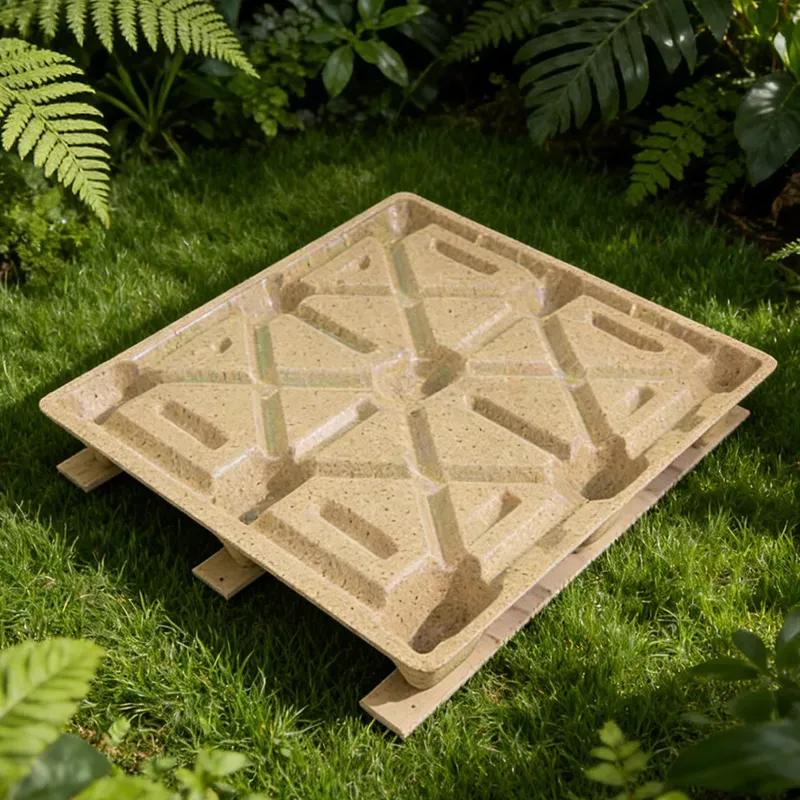
When procurement managers evaluate pallet options, the natural instinct is to look at the unit price. A traditional wood pallet costs between $9 and $12. A molded pallet – whether a wooden molded pallet or a molded pressed pallet – often carries a slightly higher sticker price, typically from $7 to $18. On paper, the choice seems obvious.
But leading pallet manufacturers have long known a different truth: the cheapest pallet upfront is rarely the cheapest over its lifetime. This is the core insight behind Total Cost of Ownership (TCO) analysis – a framework that accounts for every expense from purchase to disposal. When pallet manufacturers run the numbers, the molded pallet consistently emerges as the more economical choice for most logistics operations.
This article examines the full TCO picture, drawing on real-world case studies and operational data. By the end, you will understand why more supply chain professionals are choosing the molded pallet – and why traditional wood is no longer the default option.
The Hidden Costs of Traditional Wood Pallets
Traditional wooden pallets have been the industry standard for decades. Their low upfront cost and widespread availability made them the obvious choice. However, pallet manufacturers and logistics experts have identified numerous hidden expenses that dramatically inflate their true cost.
Maintenance and replacement costs are substantial. Industry data shows that traditional wooden pallets have a breakage rate of 20–30%, while molded wooden pallets have a breakage rate below 5%. This means that for every 100 wood pallets in circulation, 20 to 30 will fail and require repair or replacement. Over time, these costs accumulate significantly. A typical wood pallet can be reused only 5 to 10 times before needing repair. In contrast, a molded pallet offers a much longer lifespan and lower repair costs, delivering significant long-term savings.
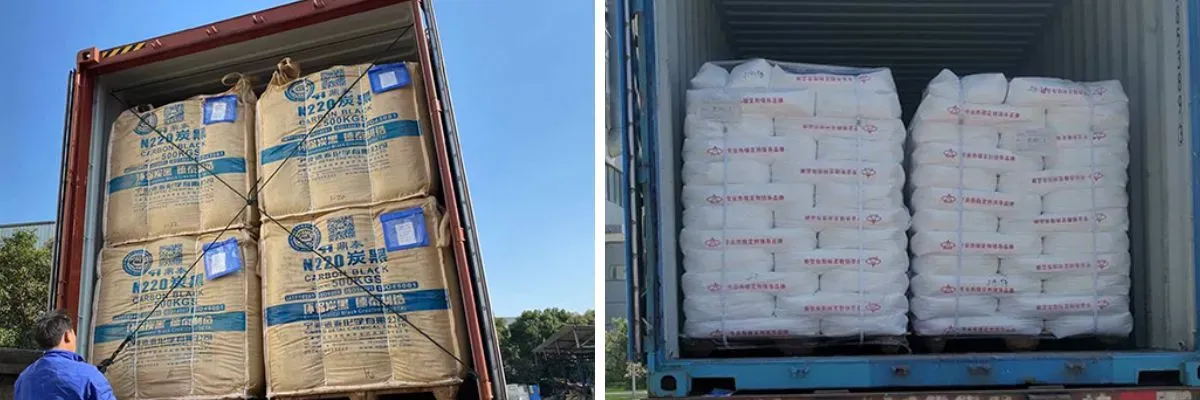
Product damage is perhaps the most overlooked expense. Traditional wood pallets are assembled with approximately 80 to 100 nails. In humid conditions or during rough forklift handling, wood shrinks and twists, causing nails to protrude. For businesses shipping bagged goods, drums, or sensitive products, a single protruding nail can puncture packaging, leak product, and trigger rejected shipments. One pallet manufacturer notes that a $2 saving on a traditional wood pallet often costs thousands in damaged goods. The molded pallet, with its one-piece design and no nails or staples, eliminates this risk entirely.
Storage inefficiency adds another layer of cost. Traditional wood pallets cannot be nested. They occupy substantial warehouse space and create inefficiencies in return logistics. A stack of 50 solid wood pallets towers over 7 meters high – unstable and dangerous. This non‑nesting design inflates inbound freight and warehousing costs. By contrast, a molded pallet features a nestable design that saves up to 70% in storage space. Fifty‑five molded pallets can be stacked to approximately 2.2 meters, whereas the same number of traditional wood pallets would reach about 7 meters.
Compliance and treatment costs also favour the molded pallet. Export regulations require wooden pallets to undergo fumigation or heat treatment to comply with ISPM 15 standards, incurring additional costs and time delays. If a stamp is faded or mold develops during a sea voyage, shipments can be detained at customs, incurring significant fees. A molded pallet, produced under high temperature and pressure, complies with ISPM 15 standards without further treatment. This eliminates customs risk and streamlines the export process.
Why Pallet Manufacturers Recommend the Molded Pallet
Leading pallet manufacturers are increasingly steering their clients toward the molded pallet. The reasons extend far beyond simple cost comparisons.
Durability and strength are key advantages. A molded pallet is manufactured using high‑pressure molding that creates a dense, water‑resistant texture without the need for expensive lumber. The result is a product that resists moisture, pests, and damage, capable of handling heavy loads without warping or breaking. Some molded pallets can support dynamic loads of 1,000 to 2,000 kg or more. This durability translates directly to a longer service life and reduced damage‑related costs.
Space and freight efficiency are equally compelling. The nestable design of the molded pallet delivers dramatic space savings. A standard 40‑foot container can hold approximately 1,650 molded pallets, compared to just 450 traditional wooden pallets – a 3.6‑fold increase in freight density. This slashes per‑unit transport costs by nearly 60%. For warehouse operations, switching to a molded pallet can increase storage efficiency by 50%, allowing more pallets to be stored in the same footprint.
Safety and hygiene are often underappreciated benefits. A molded pallet is free of nails and splinters, reducing workplace injuries and product damage. The smooth, rounded corners prevent bag snagging during placement and removal. For industries exporting bagged goods, switching to a smooth‑surface pallet reduces packaging damage rates by approximately 18%. Additionally, a molded pallet has significantly lower moisture content than traditional hardwood – 86% less in some cases – making it highly resistant to mold, moisture‑sensing insects, and bacteria in high‑humidity environments such as overseas shipping containers.
Environmental sustainability is another strong point. A molded pallet is manufactured using recycled wood waste, sawdust, and wood chips, supporting a circular economy and reducing environmental impact. Leading enterprises using molded pallet systems achieve up to 82% recycled wood utilization. The production process consumes less energy compared to traditional wooden pallets. Under emerging carbon regulations like the EU‘s CBAM, molded pallets carry the lowest carbon footprint and lowest tax exposure – estimated at just $0.70 per unit compared to $2.50 for traditional wood.
The Total Cost of Ownership Calculation
To truly understand the value proposition, we must move beyond unit price and calculate TCO. The TCO of a pallet includes procurement cost, maintenance and replacement, storage and transportation, compliance, and damage‑related expenses.
Consider a mid‑sized logistics operation using 10,000 traditional wooden pallets annually. With a breakage rate of 25%, they replace 2,500 pallets each year. At $10 per pallet, that is $25,000 in replacement costs alone. Add fumigation fees, storage inefficiencies, and product damage, and the true cost multiplies.
Now consider switching to a molded pallet. The upfront cost may be slightly higher, but with a breakage rate below 5%, replacement costs drop to $5,000 or less. Storage space savings of 50% or more reduce warehouse overhead. Compliance costs disappear entirely. Product damage rates decline significantly. The cumulative effect is a 30–50% lower lifetime cost than virgin plastic or wood pallets.
Pallet manufacturers report that the ROI payback period for transitioning to a molded pallet system is typically under 18 months. Some logistics companies have saved $280,000 annually after making the switch. These numbers are not theoretical – they come from actual conversions documented by major pallet manufacturers.
Implementation Considerations for Your Operation
Making the transition requires thoughtful planning, but pallet manufacturers have developed clear pathways for a smooth upgrade.
Assess your current pallet spend. Conduct a thorough audit of all pallet‑related expenses, including procurement, repairs, replacements, storage, freight, compliance, and product damage. This baseline will help you quantify the potential savings from switching to a molded pallet.
Evaluate your supply chain requirements. Consider your shipping patterns. Are you exporting internationally? Do you ship bagged goods or sensitive products? Do you operate in high‑humidity environments? The molded pallet excels in all these scenarios. For one‑way export shipping, pallet manufacturers consistently recommend the molded pallet as the strongest business case.
Partner with reputable pallet manufacturers. Work with established pallet manufacturers who can provide customized solutions. Many offer molded pallets in various sizes and configurations, with options for branding and RFID integration. Leading pallet manufacturers can also provide TCO calculators and ROI projections specific to your operation.
Plan for phased implementation. Transitioning an entire pallet fleet at once can be disruptive. Consider a phased approach – start with high‑volume export lanes or product lines most vulnerable to damage. Measure the results, then expand gradually. This approach minimizes risk while building a compelling business case for full adoption.
The Verdict from Pallet Manufacturers
After analyzing the full TCO picture, pallet manufacturers are unanimous: the molded pallet delivers superior value for most modern logistics operations. While traditional wooden pallets may have a lower initial cost, molded pallets offer significant long‑term advantages in durability, space efficiency, compliance ease, environmental sustainability, and handling.
The strategic conclusion is clear. When you map pallet options against the real‑world pressures of cost, efficiency, risk, and future regulations, the ideal choice is a solution that is cost‑effective across its lifecycle, operationally efficient, inherently compliant, and environmentally sustainable. For the demands of global commerce – efficiency, risk reduction, and future‑proof sustainability – the molded pallet delivers an unmatched balance.
As one leading pallet manufacturer puts it: "When approving your next pallet purchase, analyze beyond unit price. Calculate true TCO and choose the platform that turns logistics from a cost center into a competitive advantage."
Ready to make the switch? The technology is proven, the savings are substantial, and pallet manufacturers are ready to help you build a more efficient, resilient supply chain. The only question that remains is: can you afford to wait?


