
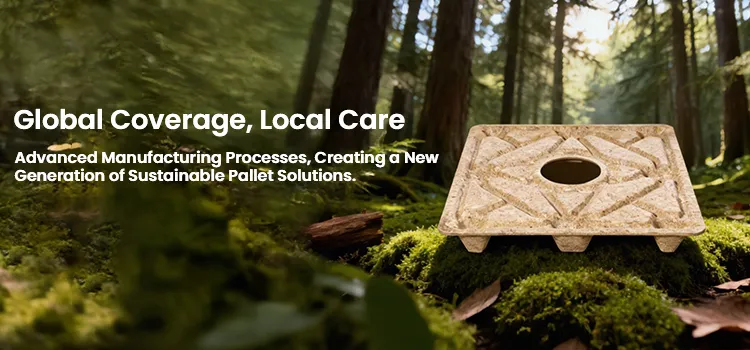
Moisture has become a serious packaging risk in global logistics, especially for exporters moving cartonized goods through humid warehouses, container yards, and long-distance sea freight. As buyers compare every paper pallet against wood and plastic alternatives, moisture-resistant design is becoming a decisive factor. The latest generation of engineered fiber pallets is not simply trying to be lighter or cheaper; it is trying to solve the practical problems that cause load instability, carton deformation, pest-treatment delays, and unnecessary logistics costs.
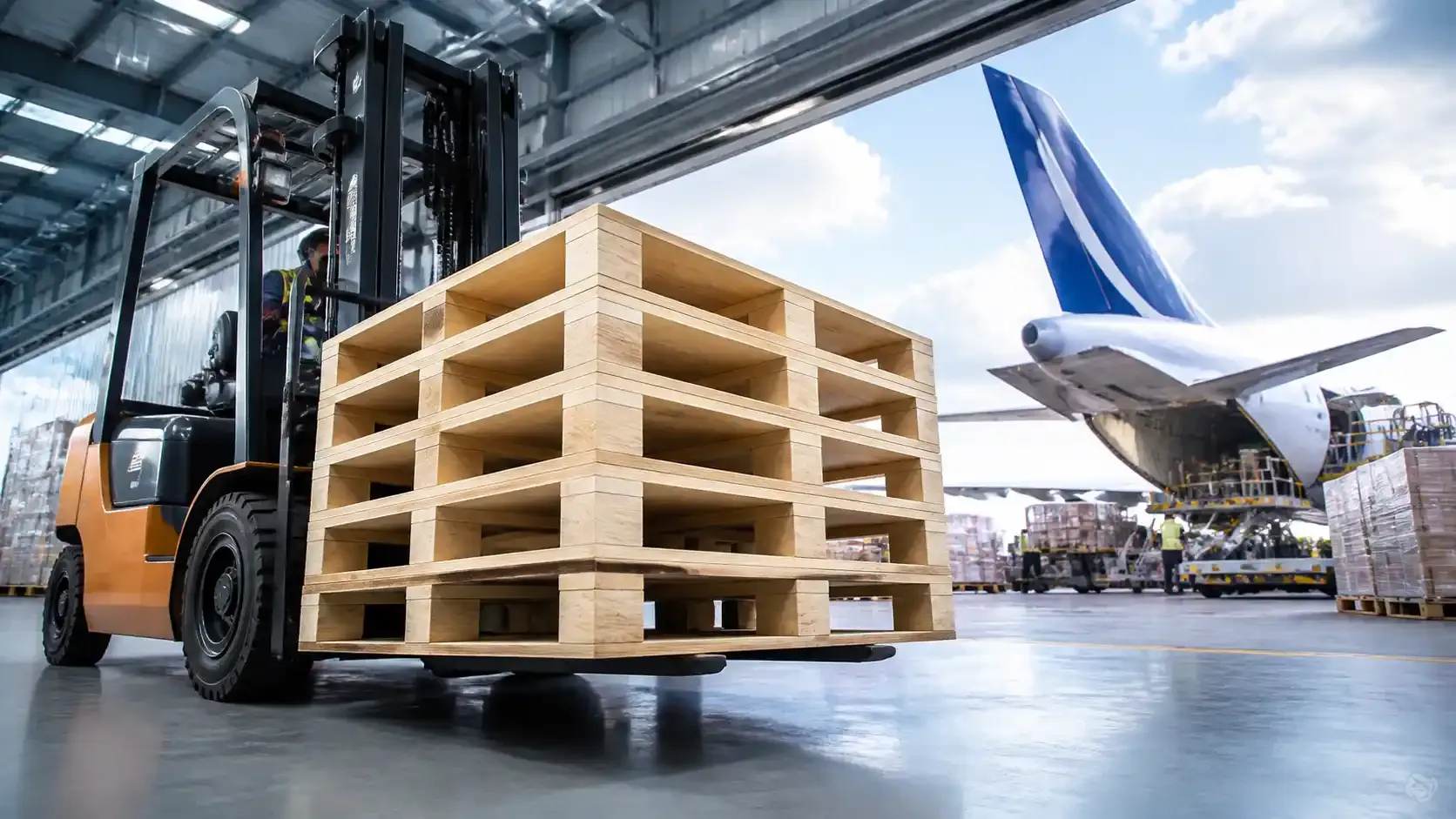
Why Moisture Resistance Is Now a Pallet Selection Priority
In many supply chains, pallet failure does not begin with impact. It begins with exposure. A damp warehouse floor, condensation inside a container, or fluctuating temperatures during export shipping can weaken cartons and reduce stacking strength. Traditional wooden pallets may absorb moisture, and ordinary paper-based packaging can lose rigidity when humidity is not controlled.
This is why procurement teams are paying closer attention to the moisture-resistant paper pallet category. A paper pallet used for export must do more than support a load on day one. It must remain stable through handling, storage, and transit. For carton-based goods, the pallet also needs to elevate products away from damp surfaces, reduce direct contact with container floors, and help preserve carton strength during stacking.
How Moisture-Resistant Paper Pallet Technology Works
Modern moisture-resistant pallet design relies on three ideas: dense fiber structure, controlled bonding, and structural load distribution. In the wider market, a molded pulp pallet or corrugated paper pallet may use engineered paperboard, honeycomb, or molded fiber formats. The objective is to improve stiffness while keeping the platform lightweight and recyclable.
Engineered molded wood pallets show how fiber-based structures can be strengthened for demanding logistics. Compressed wood pallets are produced using thermosetting resin bonding under high temperature and pressure, forming a dense structure that improves moisture resistance, pest resistance, and durability. Similar design logic is influencing wet-strength paper pallets, where the focus is on reducing water absorption while maintaining shape and load support.
A surface coating alone is rarely enough for demanding logistics. Buyers increasingly ask whether the pallet has structural moisture resistance or only a temporary outer barrier. A well-designed waterproof paper pallet should combine material density, bonding quality, and a geometry that distributes weight evenly across the deck and support points.
Paper Pallets vs Wood vs Plastic in Real Purchasing Decisions
The debate around paper pallets vs wood and paper pallets vs plastic is not about declaring one material universally superior. Each option serves a different operating model.
| Selection Factor | Paper-Based Pallets | Wood Pallets | Plastic Pallets |
|---|---|---|---|
| Moisture behavior | Improved when engineered with wet-strength fiber or coatings | Can absorb moisture if untreated or poorly stored | Highly water-resistant |
| Weight | Usually lightweight | Often heavier | Varies by design |
| Export handling | Often attractive for one-way export | May require phytosanitary treatment depending on type | Often reusable and durable |
| Safety | Nail-free and splinter-free designs are common | Nails, splinters, or broken boards may occur | Generally smooth and consistent |
| Sustainability | Often positioned as recyclable packaging | Repairable and widely used | Durable, but material recovery depends on system |
For buyers comparing paper pallets vs plastic, plastic often wins in long-term durability and repeated washing environments. For buyers comparing paper pallets vs wood, the paper pallet can be attractive where lightweight one-way shipping, recyclability, and handling cleanliness matter. The stronger market trend is not replacement in every case, but smarter material matching by route, cargo type, and risk profile.
Where Engineered Fiber Pallets Fit Best
Moisture-resistant pallet technology is especially relevant in carton logistics, automated warehousing, and export shipping. In carton-based supply chains, a paper pallet or molded fiber alternative protects goods by lifting cartons above damp surfaces. This helps reduce the risk of bottom-layer deformation and supports more stable stacking.
Automated warehouses create another demand: consistency. Pallets used with conveyors, palletizers, and automated guided vehicles need predictable dimensions and stable surfaces. Molded wood pallet applications in automated packaging show the value of standardized structure, 4-way forklift entry, and fastener-free monoblock construction. These same expectations are shaping how buyers evaluate wet-strength paper pallets for modern facilities.
For export routes, pallet selection also involves customs efficiency and pest risk. Compressed wood pallets made through high-temperature and high-pressure processes are described as pest-resistant and suitable for export without fumigation treatment. In the broader market, a paper pallet is often considered for similar reasons, particularly when buyers want to avoid delays connected with untreated solid wood packaging.
Structural Design Matters More Than the Label
A pallet should not be judged only by whether it is called paper, wood, plastic, molded pulp, or compressed wood. Its real performance depends on structure. Monoblock molded designs eliminate loose boards, nails, and weak joints. Ribbed underside structures help absorb handling stress during forklift movement. Tapered or nestable designs reduce empty pallet storage space, which can lower return logistics pressure.
Material efficiency is also becoming important. Engineered pallets can use less raw material while maintaining load-bearing performance through optimized fiber distribution. For sustainable logistics programs, this combination of lower weight, better space utilization, and recyclability can be more valuable than the lowest initial pallet price.
What Buyers Should Ask Before Switching
Before adopting a moisture-resistant paper pallet, procurement teams should ask practical questions rather than rely on marketing terms:
Is the moisture resistance built into the fiber structure, the coating, or both?
What are the static and dynamic load requirements for the shipment?
Will the pallet support the carton footprint without edge crushing?
Is it compatible with forklifts, conveyors, palletizers, or warehouse racks?
Can empty pallets be nested to save storage space?
What recycling or recovery route is available after use?
Does the pallet suit one-way export, repeated warehouse circulation, or both?
These questions help buyers decide whether a paper pallet, molded pulp pallet, compressed wood pallet, or plastic pallet is the best fit for a specific logistics route.
The Competitive Outlook for Moisture-Resistant Pallets
The rise of the moisture-resistant paper pallet reflects a broader shift in packaging decisions. Buyers want lighter pallets, cleaner handling, easier export planning, and lower environmental impact. At the same time, they cannot compromise load stability or carton protection.
This is where engineered fiber technology is changing the conversation. Apaper pallet is no longer viewed only as a light-duty or disposable platform. When designed with wet-strength materials, dense fiber structures, and suitable load distribution, it can compete in export and warehouse scenarios where ordinary paper packaging would not be considered.
Wood and plastic will remain important materials in global logistics. However, sustainable pallets made from paper-based, molded pulp, or compressed fiber structures are gaining attention because they answer several buyer priorities at once: moisture control, safer handling, space savings, and recyclability. For companies planning future packaging strategies, the smartest approach is not simply to replace one pallet with another, but to match pallet technology to the real risks of each supply chain.
FAQs
Are moisture-resistant paper pallets the same as ordinary paper pallets?
No. A moisture-resistant paper pallet is designed with stronger fiber structures, coatings, bonding systems, or molded construction to improve performance in humid logistics conditions.
Can a paper pallet replace wood or plastic in every application?
Not always. The right choice depends on load weight, humidity exposure, reuse requirements, automation systems, and export route. Paper-based pallets are often strongest in lightweight, recyclable, and one-way export scenarios.
What is the difference between a molded pulp pallet and a paper pallet?
A molded pulp pallet is usually formed from molded fiber materials, while a paper pallet may use corrugated board, honeycomb board, paperboard, or composite paper structures. Both can be engineered for logistics use.
Why does carton packaging need moisture-resistant pallet support?
Cartons can absorb moisture from floors or container surfaces. A stable pallet lifts the cartons, reduces damp contact, and helps maintain stacking strength during storage and transport.
What should buyers verify before ordering wet-strength paper pallets?
Buyers should confirm moisture-resistance method, load rating, handling compatibility, nesting efficiency, export suitability, and recycling options.


