

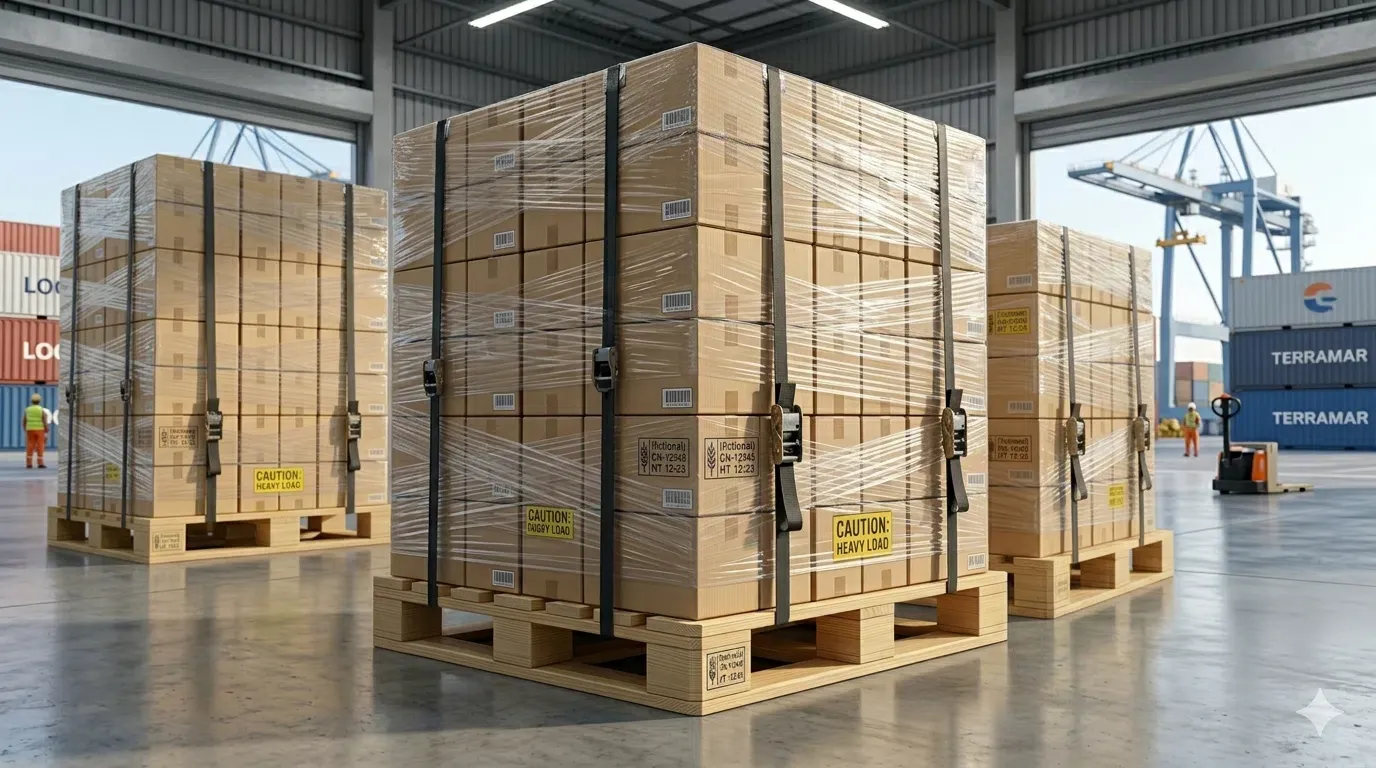
Many factories look orderly from the outside: fixed aisles, familiar rack bays, standard pallet positions, and a predictable flow from production to storage. Yet inside that order, usable space is often lost in small ways. A carton may not match the pallet footprint. A rack beam may leave a narrow gap on both sides. Empty pallets may occupy a surprising amount of floor area. Over time, these small mismatches reduce warehouse cube utilization and make a facility feel smaller than it really is.
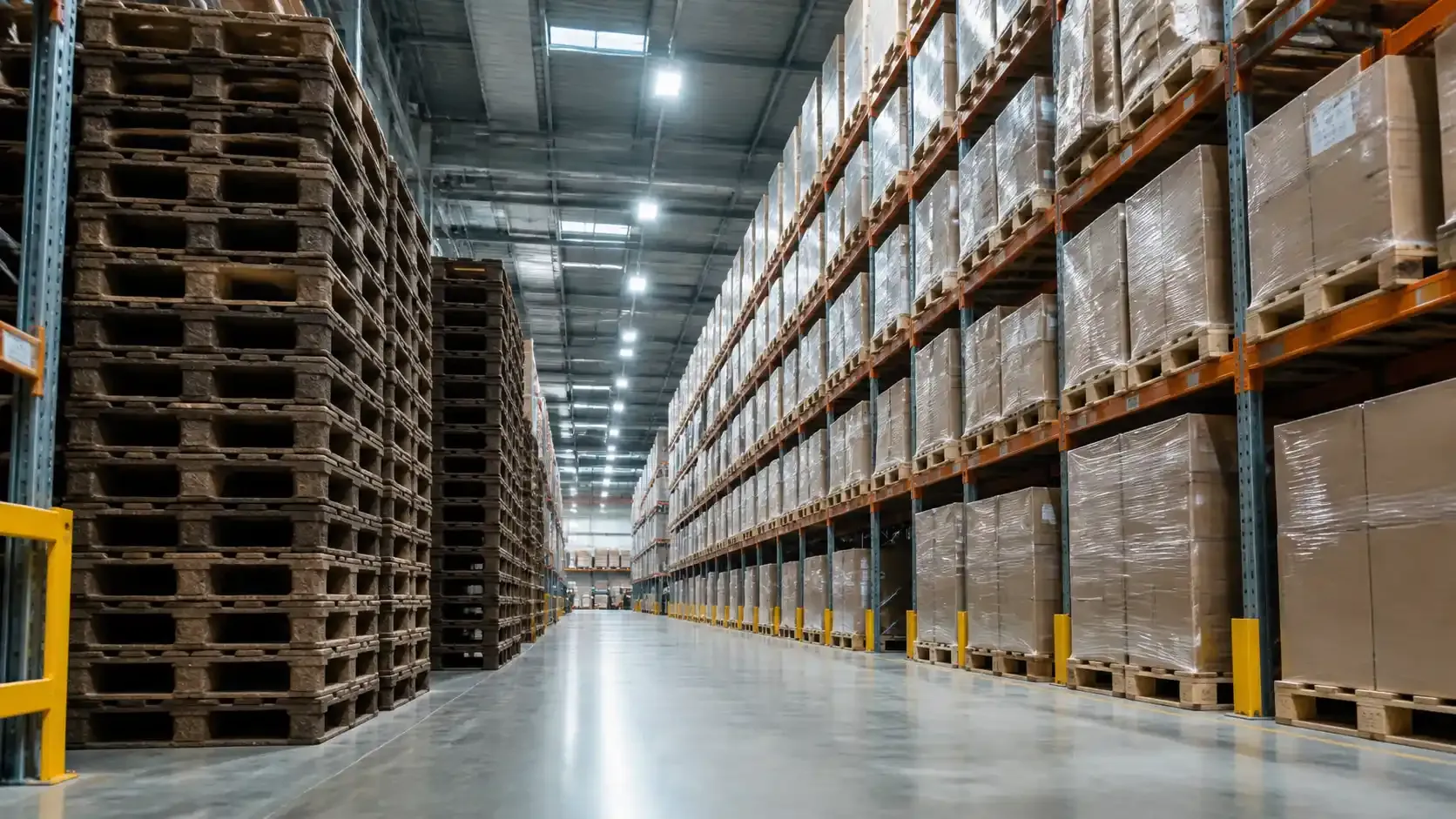
For space-limited plants, the answer is not always a larger building. In many cases, a better pallet strategy can help reclaim capacity. By combining custom pallet sizes, nestable molded wood pallets, compressed wood structures, and standard Euro pallets where they still make sense, buyers can create a more flexible storage system around the real dimensions of their products and warehouse layout.
Why Standard Pallets Can Create Hidden Space Loss
Standard pallet formats remain important because they support predictable handling, transport, racking, and exchange systems. The Euro Wooden Pallet, for example, uses an 800 × 1200 mm footprint and is designed for efficient use in Euro trucks, intermodal containers, warehouse racking, and automated handling equipment. It also supports EPAL pool integration and documented load performance.
However, standardization becomes restrictive when product packaging, rack spacing, and aisle design do not match the pallet footprint. In daily operations, this can lead to partially filled pallet layers, product overhang, awkward carton orientation, and wasted vertical height. The pallet may be technically correct, but the total unit load may still underuse the available cube.
This is why custom pallet sizes are increasingly considered in factories with fixed layouts. Instead of forcing every product into one universal footprint, a buyer can select or request a pallet size that better fits carton dimensions, rack openings, forklift access, and shipping constraints.
How Custom Presswood Pallets Improve Layout Fit
Custom sizing is especially useful when paired with molded or presswood manufacturing. A Moulded Wood Pallet is produced through compression molding, which supports consistent dimensions and a one-piece structure. In warehouse and packaging operations, this consistency is valuable because conveyors, palletizers, stackers, and automated storage systems depend on stable pallet geometry.
Our molded wood pallets are also nestable when empty. Product data on our moulded wood pallet range shows that nestable wooden pallets can save up to 70% of warehouse space when compared with conventional non-nestable empty pallet storage. For factories where empty pallets accumulate near production lines, loading docks, or pallet yards, this can free floor area for inventory, staging, or safer movement.
Other practical advantages include export readiness and product protection. Our presswood pallet portfolio is naturally ISPM-15 compliant, removing the need for additional fumigation. The smooth, one-piece surface and absence of nails, staples, or splinters help protect cartons, bags, and fragile cargo during handling.
Custom Pallet Sizes and Warehouse Cube Utilization
Warehouse cube utilization is not just about how many pallets fit on the floor. It measures how effectively a warehouse uses both horizontal area and vertical height. A facility can have many pallet positions and still waste cube if loads are too short, too narrow, unstable, or poorly matched to racking.
A stronger pallet strategy starts with three questions:
Does the pallet footprint match the product packaging pattern?
Does the loaded pallet fit the rack bay without leaving avoidable gaps?
Can empty pallets be stored densely when not in use?
If the answer to any of these questions is no, custom pallet sizes may help improve storage density. For example, a carton that leaves a wide margin on a standard pallet may fit more efficiently on a custom footprint. A narrow aisle operation may also benefit from pallet dimensions that reduce handling interference while maintaining stable load support.
Where Compressed Wood and Tubular Structures Fit
Different pallet structures serve different logistics needs. Compressed Wood Pallets are described in our product range as nestable, export-ready, economical, and designed with a smooth one-piece surface that helps prevent tearing of bags and cartons. Their nestable design allows 50 pallets to be stacked in just over two meters, helping reclaim valuable floor space compared with traditional non-nestable wooden pallets.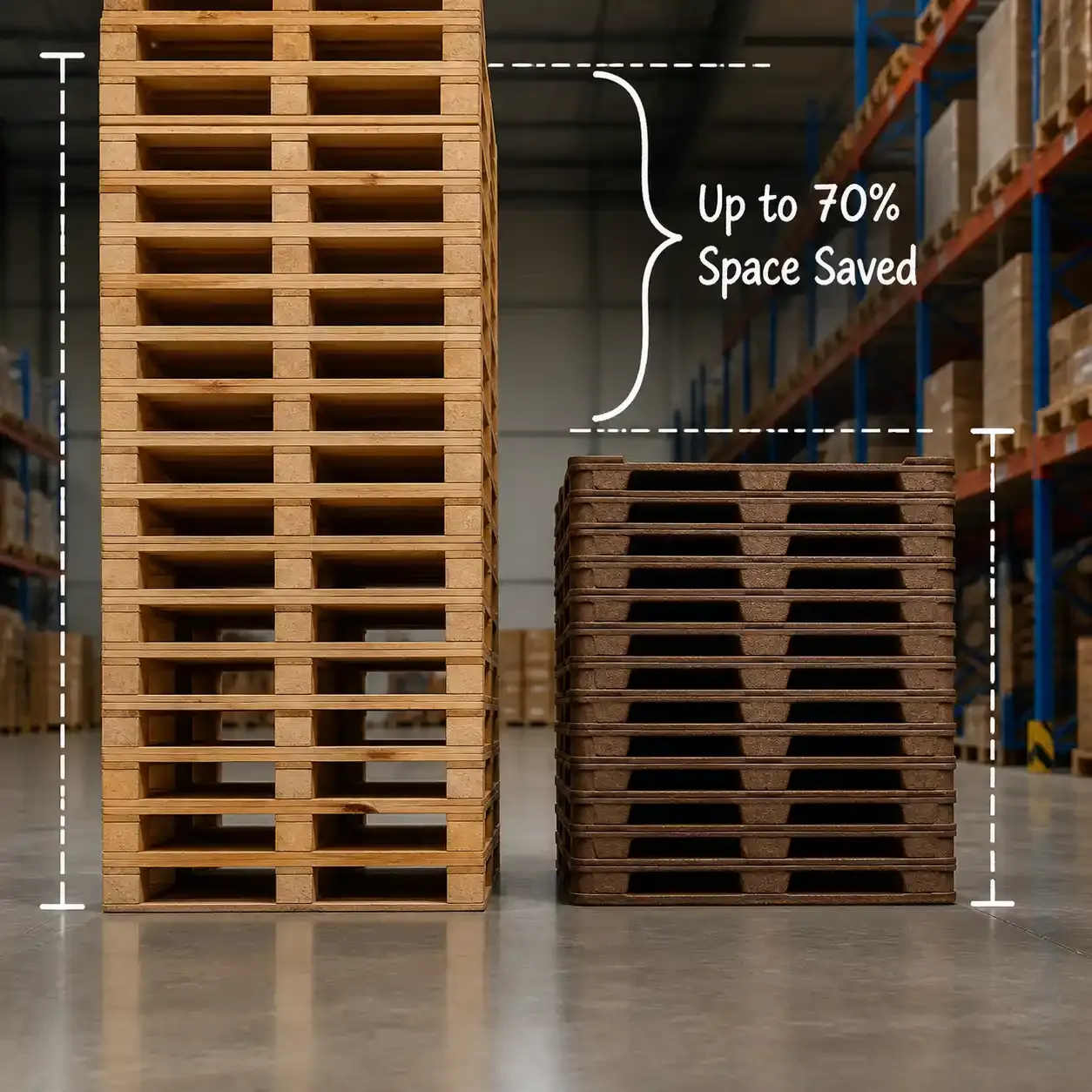 For heavier or more specialized industrial handling, tubular and hollow-core structures may also be considered. Our Tubular Chipboard pallets combine traditional timber strength with modern engineering principles. Their cylindrical wooden components are integrated into the deck and support structure to create robust and efficient platforms.
These options do not replace standard pallets in every situation. Instead, they expand the buyer’s toolkit. Standard pallets remain practical for exchange networks and transport compatibility, while custom presswood and engineered wood structures can be selected for internal storage density, export convenience, or specific product protection needs.
Standard Versus Custom Pallets in Daily Operations
A balanced pallet program often works better than a full replacement strategy. Standard pallets can remain useful for external logistics, carrier compatibility, or customers that require a recognized footprint. Custom presswood pallets can then be used inside the factory where the priority is to maximize storage density and reduce layout waste.
| Decision Point | Standard Pallet Advantage | Custom Pallet Advantage |
|---|---|---|
| External transport | Strong compatibility with established systems | Can be selected when cargo dimensions require a better fit |
| Factory layout | Easy to standardize across processes | Better alignment with rack spacing, carton patterns, and aisle limits |
| Empty pallet storage | Depends on pallet type | Nestable molded wood designs can reduce empty pallet space |
| Export preparation | Euro pallets may meet ISPM-15 through heat treatment | Presswood pallets are naturally ISPM-15 compliant |
| Automation | Works well when equipment is built around standard sizes | Consistent molded dimensions can support automated handling when specified correctly |
The most effective choice depends on product dimensions, handling equipment, storage method, and export route. Buyers should compare not only pallet price but also the total effect on warehouse space, labor flow, transport loading, and empty pallet management.
A Practical Checklist for Pallet Optimization
Before changing pallet specifications, purchasing teams and warehouse managers should review the full operating environment. A simple checklist can prevent costly mismatch:
Measure rack beam spacing, clear height, and pallet position depth.
Record current pallet fill rates by product or carton type.
Identify whether overhang, underfill, or unstable stacking occurs frequently.
Check forklift, pallet jack, conveyor, palletizer, and stacker requirements.
Calculate how much floor area is occupied by empty pallets.
Review export needs, including ISPM-15 treatment or compliance requirements.
Compare standard pallets, custom presswood pallets, compressed wood pallets, and tubular structures against the same storage and handling goals.
This process turns pallet buying from a simple unit-cost decision into a cube-efficiency decision. In small plants, high-rack warehouses, and export-oriented operations, that shift can make a meaningful difference.
When Custom Pallet Sizes Make the Most Sense
Custom pallet sizes are most useful when the warehouse cannot easily be redesigned. If aisles are fixed, racking is already installed, and production lines have limited staging space, changing the pallet footprint may be more practical than changing the building.
They are also valuable when packaging dimensions are stable. If the same carton sizes are used repeatedly, a tailored pallet can improve layer patterns and reduce unused surface area. When paired with nestable molded wood pallets, the improvement continues after unloading because empty pallets can be stacked densely rather than spread across the floor.
For buyers sourcing from China or coordinating international shipments, export-ready pallet options also matter. Our presswood and compressed wood pallet range is naturally ISPM-15 compliant, with no additional fumigation requirement, which can simplify export preparation and reduce treatment-related delays.
The Bottom Line
Warehouse constraints are not always caused by insufficient floor area. Often, the real problem is a mismatch between pallet size, product packaging, racking, and handling flow. By evaluating custom pallet sizes alongside Euro wooden pallets, nestable molded wood pallets, compressed wood pallets, and tubular chipboard options, buyers can build a pallet system that supports both logistics compatibility and stronger warehouse cube utilization.
For factories with fixed aisles and limited expansion options, pallet redesign is a practical place to start. The right pallet footprint can reduce dead space, improve storage density, simplify empty pallet management, and support smoother export workflows.
FAQs
Are custom pallet sizes suitable for automated warehouse systems?
They can be suitable when dimensions, entry style, load requirements, and equipment compatibility are reviewed in advance. Molded wood pallets are valued in automated logistics because consistent dimensions and flat structural design support conveyors, palletizers, and warehouse storage equipment.
How much empty storage space can nestable molded wood pallets save?
Our moulded wood pallet information states that nestable wooden pallets can save up to 70% of warehouse space, depending on stacking configuration and site conditions.
Do presswood pallets require fumigation for export?
Our presswood and compressed wood pallet range is naturally ISPM-15 compliant, eliminating the need for additional fumigation in export preparation.
Should Euro wooden pallets be replaced by custom pallets?
Not always. Euro wooden pallets remain useful for standardized transport, EPAL pool integration, and established racking systems. Custom presswood pallets are more suitable where product dimensions or factory layout constraints require a better internal fit.
What should buyers check before ordering custom presswood pallets?
Buyers should confirm rack dimensions, pallet load needs, carton patterns, forklift or conveyor requirements, export compliance, and empty pallet storage conditions before finalizing specifications.


