

Automated Guided Vehicle systems have transformed warehouse logistics, enabling lights-out operations, 24/7 throughput, and precision material handling. Yet the reliability of an entire AGV fleet can be compromised by a single defective pallet. A warped board, a protruding nail, or a dimensional deviation of just a few millimeters can trigger sensor errors, cause pick-up failures, and halt an automated production line.
The molded pallet—also known as a presswood pallet or molded wood pallet—has emerged as the preferred platform for AGV-compatible operations. Its precision manufacturing process produces a one-piece, nail-free structure with dimensional consistency that traditional wooden pallets cannot match. Leading molded pallet manufacturers have refined the technology specifically for automation environments. This article examines five critical design requirements for AGV compatibility and explains why fumigation-free molded pallets are becoming the standard for automated warehouses.
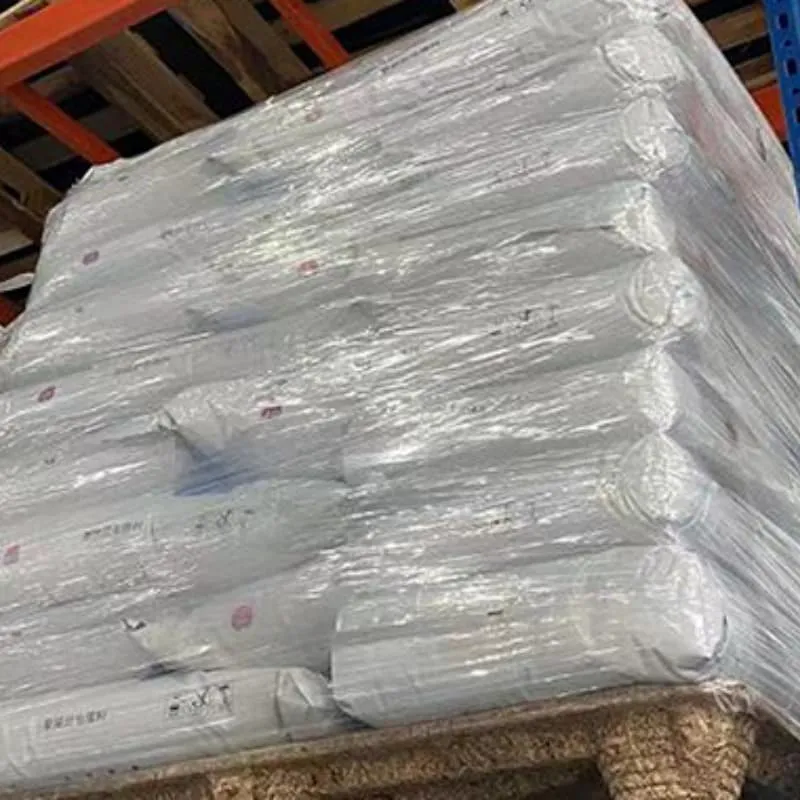
Dimensional Consistency and Sensor Reliability
AGV systems rely on laser triangulation, LiDAR, or SLAM navigation to locate and engage pallets. A variance of just 0.5 inches in width can cause a pallet magazine jam or a failed pick-up, forcing manual intervention in an otherwise lights-out facility. Traditional GMA wooden pallets, assembled from organic material subject to warping, shrinking, and manual assembly errors, cannot meet these tolerances.
A molded wood pallet is produced in a precision steel mold under 1,600 tons of hydraulic pressure, achieving a dimensional consistency tolerance of ±2mm. This precision is critical for AGV navigation: the robot knows exactly where the pallet edge begins and ends, eliminating false "object detected" errors. For exporters and warehouse operators deploying AGV fleets, selecting a molded pallet manufacturer capable of maintaining these tolerances is essential. Fumigation-free molded pallets from quality suppliers deliver the dimensional reliability that automation demands.
Bottom Deck Structure for Fork Engagement
AGV compatibility depends heavily on the pallet's bottom structure. Different AGV types—forklift-style, underride, or lifting-platform—require specific bottom geometries to engage safely. A molded pallet manufacturer must design the bottom deck to match the AGV fleet's engagement mechanism.
The molded wood pallet offers design flexibility that traditional wood cannot. Its molding process allows for precise formation of fork pockets, support legs, and runner configurations. For AGV applications, flat-surface presswood pallets provide continuous base contact that ensures seamless movement across roller conveyors and AGV shuttle lines. Unlike standard nine-leg molded pallets with open bottoms that may lack the support needed for racking, reinforced designs with stringer bases or grid bottoms provide the structural integrity required for automated storage and retrieval systems. A molded pallet manufacturer serving automation clients can produce custom bottom structures optimized for the specific AGV fleet in use.
Stiffness and Deflection Control
Automated Storage and Retrieval Systems impose strict deflection limits. If a pallet sags too much between rack beams, the shuttle cannot retrieve it, causing system faults and downtime. Plastic pallets, while dimensionally consistent, can suffer from "creep" or sagging under sustained load, causing AGV forks to misalign during insertion.
The molded wood pallet addresses this challenge through its MDI adhesive technology. The MDI resin creates a rigid cross-linked internal structure that resists deflection under load. High-density compression, approximately 98 kg/cm³, combined with polymer cross-linking, gives molded pallets superior stiffness compared to plastic alternatives. For AGV operations handling heavy loads in high-bay racking, the molded pallet's deflection resistance is a critical safety and performance requirement. A qualified molded pallet manufacturer provides deflection data to help warehouse engineers specify the right pallet for their rack span and load profile.
Surface Friction and Load Stability
AGV handling involves rapid acceleration, deceleration, and directional changes. A pallet with insufficient surface friction allows cargo to shift, creating load instability that can trigger safety stops or cause product damage. Traditional wooden pallets present uneven surface friction due to natural wood grain and moisture variation.
The molded pallet is engineered with consistent surface characteristics. The precision molding process produces a uniform deck texture that provides predictable friction across the entire surface. For AGV applications, this consistency is essential—the vehicle's motion control algorithms assume a known coefficient of friction between the pallet and the load, and between the pallet and the AGV's lifting platform. Fumigation-free molded pallets from a reliable molded pallet manufacturer deliver this consistency shipment after shipment, ensuring that AGV motion profiles remain stable and predictable.
Moisture Resistance and Dimensional Stability
Warehouse environments vary in humidity, and AGV systems operate across ambient and cold-chain conditions. Traditional wooden pallets absorb moisture, causing them to swell, warp, and change dimensions. A pallet that fits perfectly on the AGV during dry conditions may jam the system after absorbing humidity.
The molded pallet excels in dimensional stability under humidity variations. Its moisture content is controlled between 6% and 8% after manufacturing, compared to 22% or more for ordinary wooden pallets. The MDI adhesive creates a hydrophobic bond that resists moisture absorption and prevents warping. Unlike urea-formaldehyde pallets that swell in humid conditions, MDI-bonded molded wood pallets maintain their structural integrity and dimensions even in high-humidity or cold storage environments, preventing jams in the system. For AGV operations spanning multiple climate zones or cold-chain logistics, this dimensional stability is indispensable. The molded pallet remains compatible with AGV sensors and engagement mechanisms regardless of ambient conditions.
Conclusion: The Molded Pallet Is the AGV-Ready Standard
AGV systems demand pallets with dimensional precision, structural rigidity, consistent friction, and moisture resistance. The molded pallet—engineered from recycled wood fibers under extreme heat and pressure—delivers on every requirement. Its ±2mm tolerance ensures sensor reliability. Its custom bottom structures match AGV engagement mechanisms. Its MDI-bonded stiffness resists deflection in AS/RS environments. Its uniform surface provides predictable load stability. And its moisture resistance maintains dimensional consistency across all warehouse conditions.
Leading molded pallet manufacturers have invested in the technology and quality systems required to serve automated warehouses. Fumigation-free molded pallets combine AGV compatibility with permanent ISPM 15 exemption, making them the preferred export pallet for automated logistics operations. For warehouse operators planning or expanding AGV deployments, the molded wood pallet is not just an option—it is the foundation for reliable automation.


