

In the competitive world of logistics, small inefficiencies often lead to massive revenue drains. For one mid-sized regional distribution center, the realization came when auditing their quarterly operational costs: their logistics base—specifically the wooden pallet—was costing them significantly more than the industry average. By conducting a thorough audit and switching their wooden pallet suppliers, this warehouse saved $50,000 in a single fiscal year.
This case study breaks down their strategic pivot and offers actionable insights for businesses looking to optimize their procurement process.
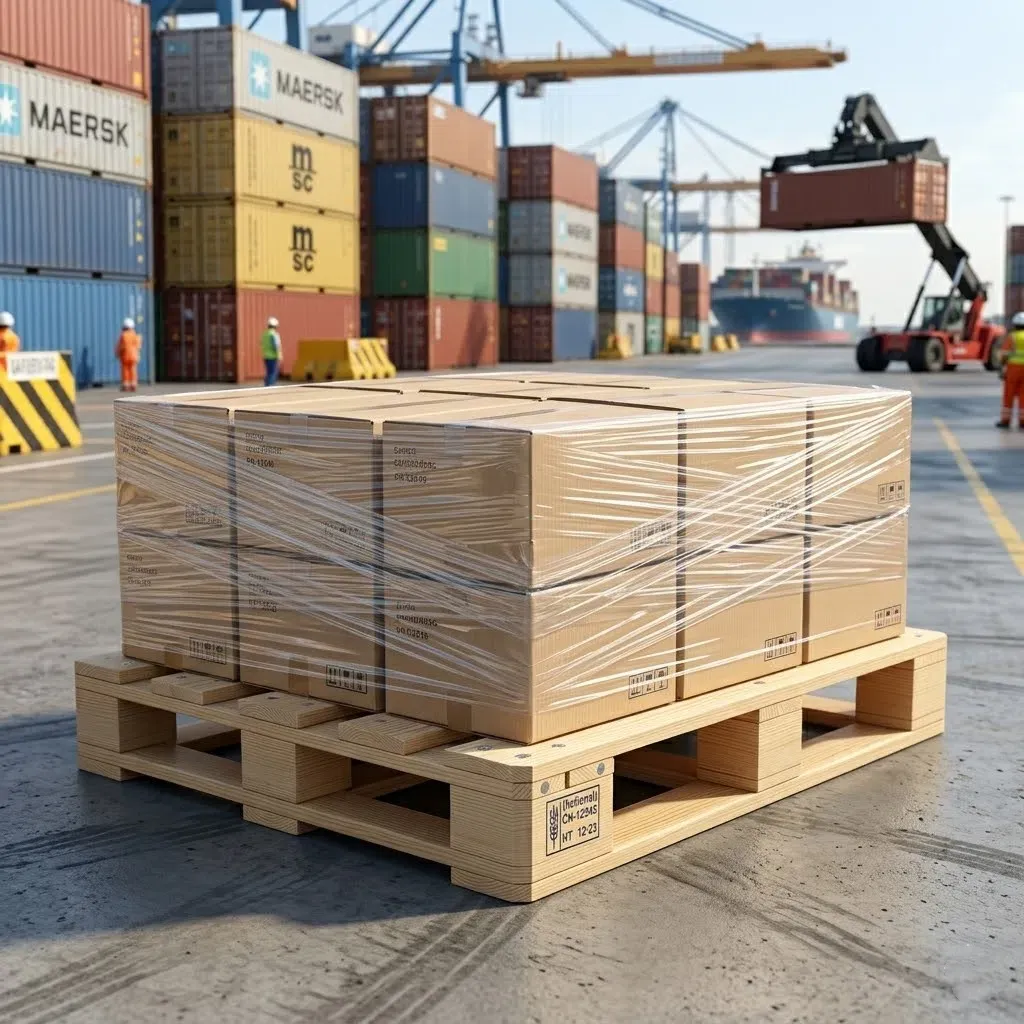
1. Identifying the "Hidden" Costs of Inefficient Procurement
The warehouse initially sourced their pallets from various fragmented wooden pallet suppliers based purely on the lowest unit price. However, they soon discovered that "cheap" pallets were a false economy. High rates of structural failure led to damaged goods, increased insurance premiums, and frequent downtime on their automated conveyor lines.
When they decided to pivot, they realized they needed to look beyond the initial price tag. They began vetting professional wood pallet manufacturers who focused on durability rather than just volume. By shifting their focus to reliable wooden pallet suppliers, they were able to reduce their pallet replacement rate by 35%, immediately trimming their overhead without sacrificing shipping volume.
2. The Power of Strategic Partnerships
The turning point for the company was consolidating their supply chain. Instead of relying on inconsistent, local small-scale pallet wood suppliers, they formed a long-term partnership with a high-capacity firm. This partnership allowed them to negotiate volume discounts that were previously unavailable.
Working closely with specialized wood pallet manufacturers also meant they could customize their pallet design to better fit their warehouse automation needs. The professional wooden pallet suppliers provided data-driven recommendations on wood density and fastener types, ensuring every wooden pallet in their inventory was optimized for longevity. This strategic alignment transformed the pallet from a simple commodity into a high-performance logistics tool.
3. Compliance and Quality Assurance
A major driver for the cost-saving was the elimination of transit delays. Previously, the warehouse had occasionally received non-compliant pallets, leading to costly customs holds. By vetting and switching to certified wooden pallet suppliers that strictly adhere to ISPM 15 standards, they eliminated the risk of cargo detention.
Collaborating with established wood pallet manufacturers ensured that every single wooden pallet entering their facility came with proper heat-treatment documentation. When they vetted new pallet wood suppliers, they made "certification-first" a requirement. This proactive compliance strategy saved the warehouse thousands in potential fines and re-processing fees, proving that professional wooden pallet suppliers are a safety net for any global operation.
4. Improving Operational Efficiency Through Customization
The final piece of the $50,000 savings puzzle was operational speed. By working with expert wood pallet manufacturers, the warehouse optimized the dimensions and weight distribution of their shipping units. This adjustment allowed for faster forklift handling and fewer jams on their automated sorting systems.
When you switch to wooden pallet suppliers that understand modern logistics, you aren't just buying wood; you are buying engineering. The consistent quality of the new wooden pallet units meant that warehouse staff spent significantly less time manually inspecting for defects. The pallet wood suppliers provided a consistent product that empowered the warehouse to focus on throughput, significantly boosting their daily output and reducing labor costs.
Conclusion
The decision to change wooden pallet suppliers was not just about the invoice; it was about optimizing the entire value chain. By moving away from unreliable sources and partnering with top-tier wood pallet manufacturers, this warehouse successfully reduced waste, improved compliance, and streamlined their operations. For any manager currently balancing their budget, the wooden pallet is an often-overlooked area where significant savings are hiding in plain sight.


