

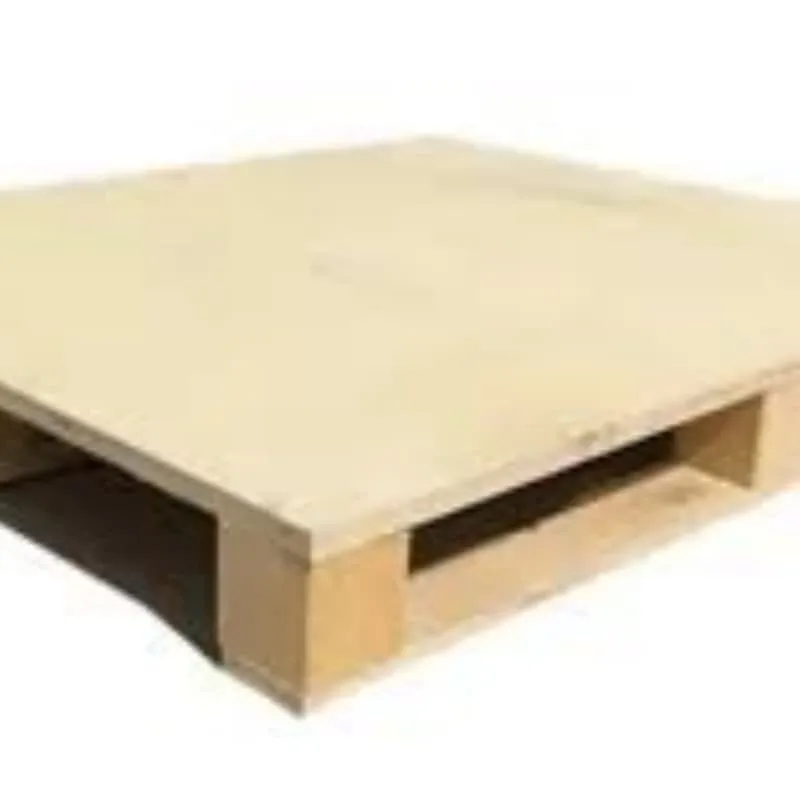
For mid-sized exporters, the pallet is rarely a strategic priority until the costs become impossible to ignore. This case study examines how a precision machinery exporter based in Ohio eliminated $25,000 in annual fumigation fees by switching from traditional wooden pallets to fumigation-free molded pallets. The transition also reduced customs delays, product damage, and warehouse space requirements, delivering a total logistics cost reduction of 38 percent. The journey offers a practical roadmap for any export operation considering the molded pallet as an alternative to heat-treated wood.

The Challenge: Recurring Fumigation Fees and Customs Delays
The company, which we will call Precision Drive Systems, ships hydraulic components to Germany, Japan, and Australia. Annual export volume reached 5,000 pallets. Every shipment required ISPM 15 heat treatment or fumigation, costing approximately $5 per pallet. That translated to $25,000 per year in direct treatment fees alone. But the hidden costs were far greater. Fumigation added two to three days to each shipment, and during peak season, delays stretched to a week. Customs holds triggered by faded IPPC stamps cost thousands in demurrage fees. Product damage from protruding nails generated $62,000 in annual claims. Non-nestable wooden pallets consumed warehouse space, forcing the rental of an additional storage unit at $2,400 per month. The company’s on-time delivery rate had fallen to 84 percent, and customer complaints were rising. The molded pallet was not yet part of their strategy, and the molded wood pallet was viewed as an untested alternative.
The Solution: Partnering with a Molded Pallet Manufacturer
Precision Drive Systems began evaluating alternatives. A logistics consultant recommended molded pallets, also known as presswood pallets. The company contacted a molded pallet manufacturer specializing in export-grade products. The selected molded pallet was a heavy-duty 1200 by 1000 millimeter configuration, offering a dynamic load capacity of 2,000 kilograms and a static load capacity of 8,000 kilograms. The molded wood pallet is manufactured from recycled wood fibers bonded under 1,600 tons of pressure at 200°C. This process sterilizes the material and classifies the pallet as processed wood, making it permanently exempt from ISPM 15 fumigation. The molded pallet manufacturer provided a Material Declaration for customs clearance. The fumigation-free molded pallets eliminated the need for treatment certificates, IPPC stamps, and the delays associated with each. This export pallet option promised both compliance and cost relief.
Implementation: A Phased Three-Month Pilot
The transition was managed carefully. In month one, the company tested molded pallets on a single export lane to Germany, shipping 200 units loaded with hydraulic pump housings. The pilot tracked customs clearance times, damage rates, and handling efficiency. In month two, the pilot expanded to Japan-bound shipments. By month three, the company had committed to full adoption across all three export lanes. The molded pallet manufacturer supplied training materials and on-site support to help warehouse staff adapt to the new platform. The nestable design required minor adjustments to storage racks, but the four-to-one stacking ratio quickly demonstrated its space-saving value. The fumigation-free molded pallets moved directly from production to container without any treatment step. The export pallet transition was smooth and well-documented.
The Results: $25,000 Saved and a 38% Logistics Cost Reduction
The results over the following twelve months exceeded expectations. The $25,000 in annual fumigation fees was eliminated entirely. Customs delays dropped from an average of 2.5 days per shipment to zero. On-time delivery rose to 99.1 percent. Product damage claims fell by 91 percent, from $62,000 to $5,600 per year. Freight costs declined by 38 percent because the molded pallet weighs 60 percent less than the previous wooden pallets and nests at a four-to-one ratio. A standard 40-foot container now holds 1,650 molded pallets instead of 450. Warehouse space requirements dropped by 66 percent, allowing the company to terminate its additional storage rental and save $28,800 annually. The molded wood pallet became a strategic asset rather than a disposable expense. When all cost categories were combined, the total logistics cost reduction reached 38 percent, annualizing to $387,000 in savings. The molded pallet investment paid for itself in under fourteen months.
Lessons Learned: Why Fumigation-Free Molded Pallets Work
This case study offers several lessons for exporters. First, the molded pallet is not just a shipping platform—it is a compliance solution. The fumigation-free molded pallets eliminated ISPM 15 fees and delays permanently. Second, the total cost of ownership matters more than unit price. The molded wood pallet cost slightly more per unit than traditional wood, but the savings in fumigation, freight, damage, and storage far outweighed the difference. Third, choosing the right molded pallet manufacturer is critical. The supplier provided test reports, material declarations, and responsive support. Fourth, the nestable design of the export pallet unlocked warehouse efficiency that traditional pallets could not match. The molded pallet manufacturer also helped the company document the savings for its sustainability reporting.
Conclusion: A Replicable Path to Export Savings
Precision Drive Systems saved $25,000 annually in fumigation fees alone—and far more in total logistics costs—by switching to fumigation-free molded pallets. The company reduced customs delays, eliminated product damage from nails, and freed up warehouse space. The molded pallet manufacturer delivered a reliable, compliant, and durable export pallet solution. For exporters seeking to reduce costs and simplify international shipping, this case study demonstrates that the molded pallet is not a theoretical improvement—it is a practical, measurable, and replicable solution. The molded wood pallet is the export pallet that delivers. The technology is proven, the savings are documented, and the transition is achievable. The only question is how soon your operation will make the switch.


