

For exporters shipping goods across borders, the choice of pallet is far more than a minor procurement decision. A single pallet failure during transit can damage expensive cargo. A missing or faded IPPC stamp can trigger customs holds that cost thousands of dollars in demurrage fees. A protruding nail can puncture packaging and contaminate an entire container load.
The two most common options for export shipping are heat-treated solid wood pallets and fumigation-free molded pallets. At first glance, heat-treated wood pallets appear cheaper. But when you calculate the total cost of ownership across the entire supply chain, the molded pallet often delivers substantially greater savings.
This article compares fumigation-free molded pallets and heat-treated wood pallets across five critical cost dimensions, revealing which export pallet truly saves more.
Initial Acquisition Cost: The Upfront Price Comparison
The upfront purchase price is the most visible cost, and it is where heat-treated wood pallets appear to have an advantage. Standard heat-treated wooden pallets typically range from $9 to $25 per unit in the United States, depending on wood quality and design. Molded presswood pallets, made from recycled wood fibers and synthetic resins, have a comparable or slightly higher upfront cost. In the Indian market, molded pallets are priced slightly higher than wooden pallets, ranging from $6 to $9.60.
However, the upfront price gap is not as large as many assume. Some molded pallet configurations sell at approximately 50 percent of the price of traditional wooden pallets. And for exporters shipping bagged goods or sensitive cargo, a $2 saving on a traditional wood pallet often costs thousands in punctured packaging and rejected shipments.
Compliance Costs: ISPM 15 Treatment vs. Permanent Exemption
This is where the molded pallet delivers its most decisive cost advantage. Heat-treated solid wood pallets require IPPC certification and fumigation documentation for every international shipment. ISPM 15 treatment adds labor, energy, and certification costs to every pallet. Phytosanitary treatment typically costs 300,000 to 500,000 VND per pallet, depending on volume and method. In large volumes of 300 pallets and above, per-pallet treatment costs range from $2 to $3. Fumigation or heat treatment is a recurring, non-negotiable fee for every export batch.
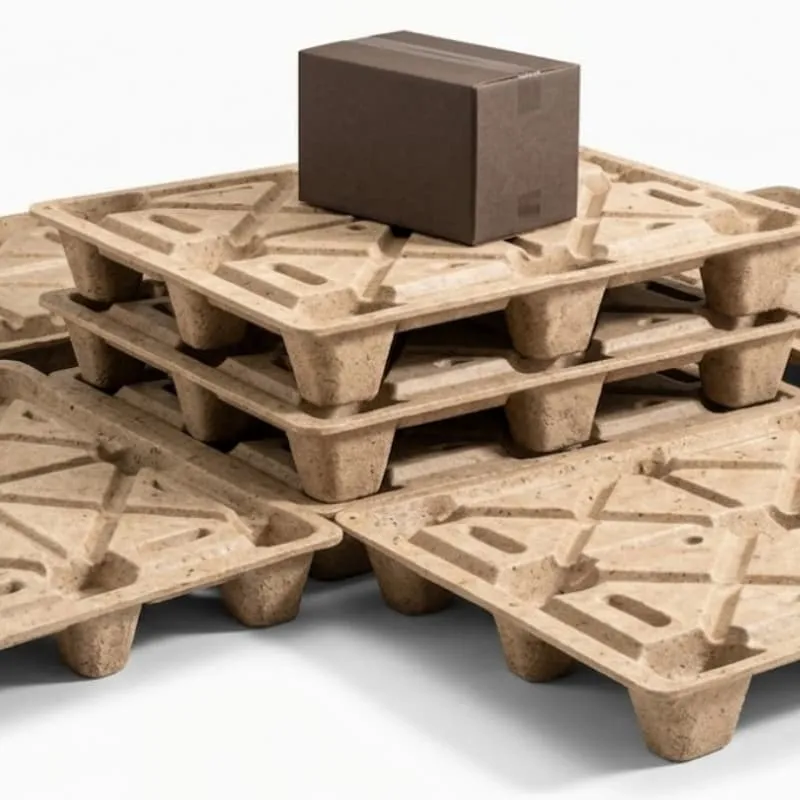
A molded pallet eliminates these costs entirely. Manufactured under 180-220°C heat and high pressure, the molded pallet is classified as processed wood and permanently exempt from ISPM 15. It requires no fumigation, no heat treatment certificate, and no IPPC stamp. Customs clearance requires only a Material Declaration. Pressed wood pallets clear customs without a heat-treatment certificate, saving 3,000-8,000 VND per pallet in treatment costs and eliminating inspection delays at destination ports.
For a mid-sized exporter shipping 5,000 pallets annually, the compliance cost savings alone can reach $15,000 to $25,000 per year—before counting the cost of customs delays.
Freight and Storage Costs: Weight, Nesting, and Container Density
Heat-treated wood pallets are heavy and non-nestable. A standard pine stringer pallet weighs 25-35 kg. A stack of 50 solid wood pallets towers over 7 meters high, consuming vast warehouse space. In a standard 40-foot container, only approximately 450 traditional wooden pallets can be loaded.
The molded pallet offers dramatic savings on both weight and space. A molded pallet weighs just 16-20 kg—a saving of roughly 40-50 percent per pallet on dead weight. On an air freight shipment of 20 pallets, that difference is 180-300 kg of chargeable weight eliminated. The nestable design of a molded pallet achieves a 4:1 nesting ratio, saving 60 percent or more warehouse space compared to stringer pallets. Fifty-five molded pallets stack to approximately 2.2 meters, whereas the same number of traditional wooden pallets reaches about 7 meters. Nestable design saves up to 66 percent warehouse and container space compared with flat-stacked solid wood pallets.
In a standard 40-foot container, over 1,500 empty molded pallets can be loaded, compared to roughly 400 standard wooden pallets. This slashes per-unit transport costs by nearly 60 percent. The weight savings alone often offset the higher unit cost of molded pallets versus basic solid pine.
Product Damage and Replacement Costs: Nail Pops vs. One-Piece Construction
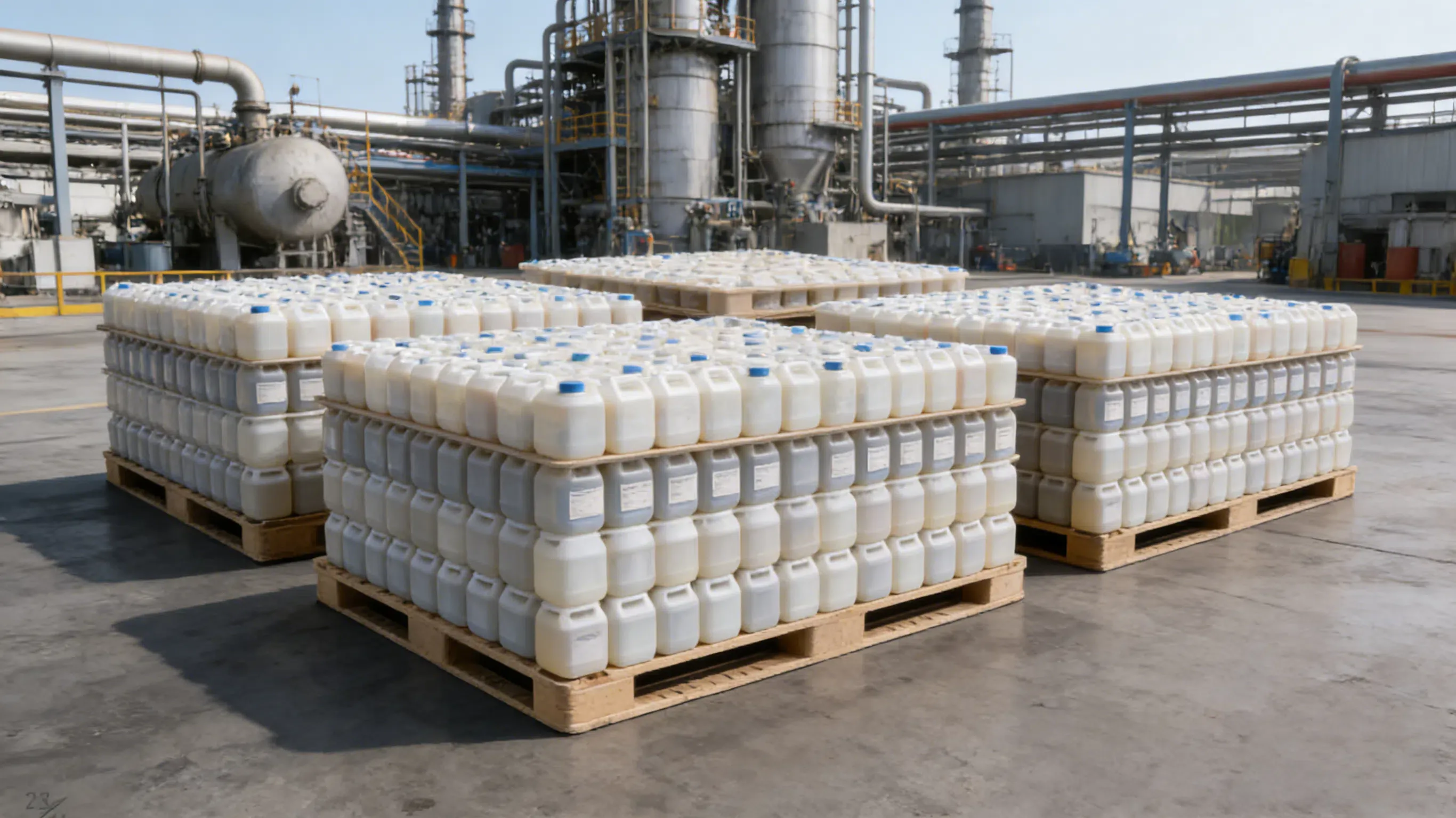
Hidden costs are where heat-treated wood pallets truly bleed export margins. Traditional wood pallets are assembled with approximately 80-100 nails. In high-humidity transit or during rough forklift handling, wood shrinks and twists, causing nail pops—protruding nails that puncture packaging. For exporters shipping bagged goods like PVC resin, fertilizers, or FIBC bulk bags, a single protruding nail head means a punctured bag, product leakage, and potential safety hazards. A $2 saving on a traditional wood pallet often costs thousands in punctured packaging, leaked product, and rejected shipments at customs.
The molded pallet eliminates this entire category of cost. Manufactured using high-pressure molding into a single, seamless structure, the molded pallet has no nails, no staples, and zero risk of fasteners working loose. The top deck features a flat, uniform surface with rounded corners that prevent bag snagging. Switching to a smooth-surface pallet reduces packaging damage rates by approximately 18 percent.
Replacement costs also favor the molded pallet. Traditional wooden pallets are susceptible to moisture, pests, and general wear and tear, leading to more frequent replacements. Molded pallets, with their one-piece design free from nails or staples, minimize breakage risk and extend lifespan. The breakage rate of molded pallets is below 5 percent, compared to 20-30 percent for traditional wooden pallets.
Total Cost of Ownership: Which Pallet Saves More?
When all costs are tallied—procurement, compliance, freight, storage, damage, and replacement—the molded pallet consistently delivers lower total cost of ownership for one-way export shipments.
For one-way export shipments, total landed cost frequently favors the molded pallet because of three factors: no ISPM 15 treatment surcharge, lower dead weight reducing freight chargeable weight, and nestable return logistics cutting empty-pallet handling costs. Presswood pallets typically carry a higher per-unit purchase price than basic solid pine pallets. However, the savings from eliminated treatment fees, reduced freight weight, and lower product damage claims more than offset the initial price difference.
The math is compelling. A molded pallet eliminates heat-treatment fees instantly, reduces product damage claims by up to 18 percent, saves 40-50 percent in dead weight, and achieves 4:1 nesting density for warehouse and container space. For a mid-sized exporter shipping 5,000 pallets annually, the cumulative savings can reach six figures per year.
Conclusion: The Molded Pallet Saves More
The evidence is clear. While heat-treated wood pallets may have a lower upfront price, fumigation-free molded pallets deliver substantially greater savings across the total cost of ownership. They eliminate recurring ISPM 15 treatment fees. They reduce freight costs through lighter weight and nestable design. They prevent product damage from nail pops. They require fewer replacements. And they simplify customs clearance with permanent ISPM 15 exemption.
For exporters shipping one-way, high-volume, or sensitive cargo, the molded pallet is not just the smarter choice—it is the more economical one. The technology is proven, the savings are real, and the question is no longer whether a molded pallet can replace heat-treated wood. The question is how many more shipments you will pay the hidden costs of heat-treated wood before making the switch.


