


For exporters operating on tight deadlines, every hour counts. Production schedules are fixed, container loading is precisely timed, and shipping deadlines are absolute. In this high-stakes environment, one unpredictable variable can derail an entire shipment: the humble wooden pallet. Traditional solid wood pallets require cumbersome fumigation procedures for export, which substantially raise overall costs and frequently lead to customs detention issues. The fumigation process adds a mandatory buffer of one to two days to every export order. For a company shipping twenty containers a month, that means systematically sacrificing twenty to forty days of operational agility every single month.
The molded pallet offers a radically different approach. Engineered from recycled wood fibers under extreme heat and pressure, the molded pallet is permanently exempt from ISPM 15 fumigation requirements. This fundamental advantage makes fumigation-free molded pallets the smart choice for time-sensitive export pallet orders. This article explores why leading exporters are turning to the molded pallet to eliminate delays, reduce costs, and streamline their supply chains.
Eliminating the Fumigation Bottleneck: Speed That Matters
The most immediate advantage of a molded pallet is the elimination of the fumigation bottleneck. Traditional solid wood pallets must undergo heat treatment or chemical fumigation to comply with ISPM 15 international phytosanitary standards. This process is not instant. It involves scheduling, transport, treatment, and waiting for the certificate. Reliance on this external process introduces catastrophic points of failure: a simple typo on a certificate or a failed random customs inspection can lead to an entire container being quarantined, rejected, or even destroyed.
The molded pallet eliminates this vulnerability entirely. Manufactured under high temperatures of 180 to 220 degrees Celsius, the molded pallet is classified as processed wood and falls outside the scope of ISPM 15. It requires no fumigation, no treatment certificate, and no IPPC stamp. Fumigation-free molded pallets are accepted at customs in the European Union, United States, Australia, Canada, Japan, South Korea, and most major importing countries without fumigation documentation.
For exporters handling time-sensitive orders, this compliance advantage is transformative. By eliminating the fumigation buffer, businesses can respond to orders faster, promise shorter lead times, and gain a significant competitive advantage. The molded pallet transforms a source of chronic anxiety into a reliable asset.
Space Efficiency: More Pallets, Less Warehouse Footprint
Time-sensitive export orders demand efficient warehouse operations. Every square meter of floor space counts, and every minute spent handling pallets adds to labor costs and slows throughput. Traditional wooden pallets are notoriously space-inefficient. A stack of fifty solid wood pallets towers over seven meters high, consuming vast cubic volume and creating unstable loads.
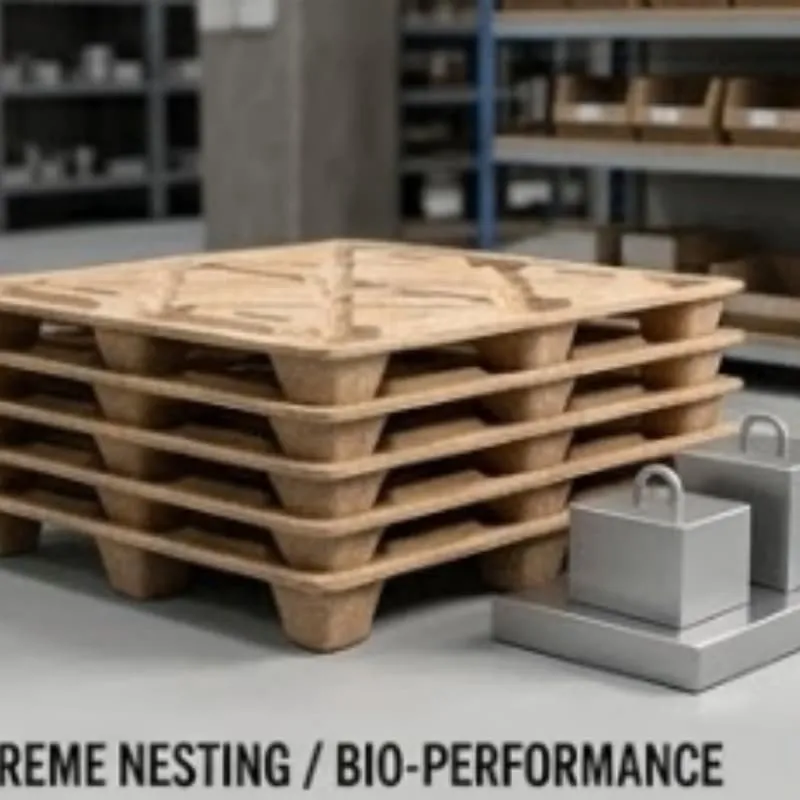
The molded pallet solves this problem through its nestable design. Empty molded pallets stack partially inside one another, achieving a stacking ratio of up to four to one. A stack of fifty molded pallets measures approximately 2.2 meters high, saving up to seventy percent in storage space compared to conventional pallets. For warehouses where floor space is at a premium, this efficiency gain is substantial.
The space savings extend to container loading. A standard forty-foot container can hold approximately 1,650 molded pallets, compared to just 450 traditional wooden pallets – a 3.6-fold increase in freight density. This transport efficiency translates directly to lower per-unit shipping costs and faster container turnaround times.
Leading molded pallet manufacturers have further optimized nesting designs to maximize space efficiency without compromising load-bearing performance. The molded pallet enables more efficient empty pallet staging, freeing up floor space for active inventory and allowing warehouses to process time-sensitive orders with greater speed and flexibility.
Cost Efficiency: Lower Total Cost of Ownership for Exporters
Time-sensitive export orders are not just about speed – they are about cost control. Every delay, every fumigation fee, and every damaged product erodes profit margins. The molded pallet delivers substantial cost savings across multiple dimensions.
First, fumigation fees are eliminated entirely. Heat-treated solid wood pallets require IPPC certification and fumigation documentation for every shipment. These costs add up quickly for high-volume exporters. The molded pallet requires only a Material Declaration – no treatment certificate, no IPPC stamp.
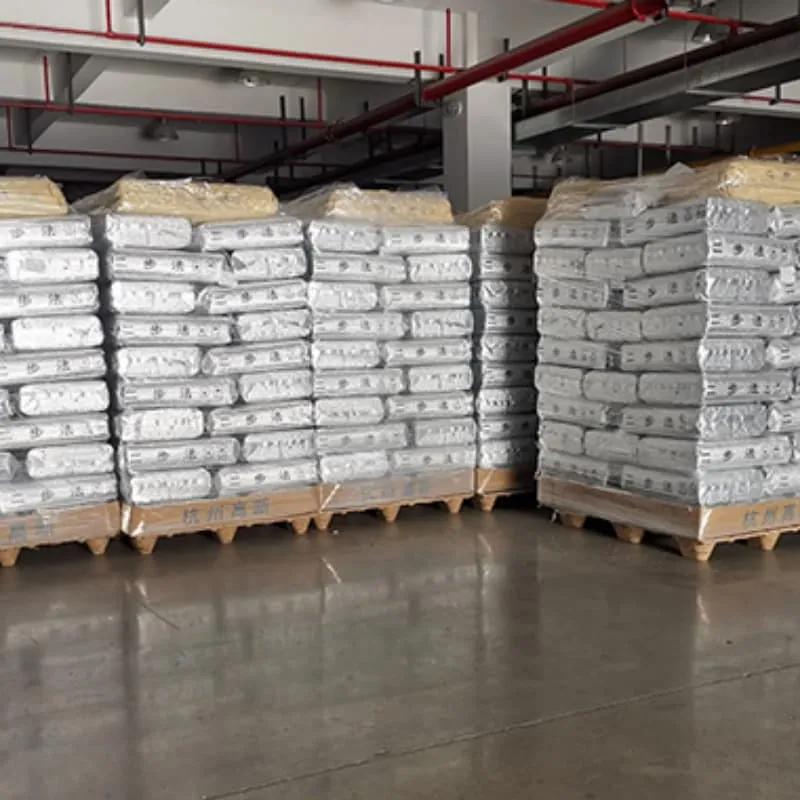
Second, replacement costs are dramatically lower. Traditional wooden pallets have a breakage rate of twenty to thirty percent, while molded pallets have a breakage rate below five percent. The high-density, one-piece construction resists the warping, splitting, and moisture absorption that plague traditional wood. The breakage rate of molded pallets is significantly lower, reducing replacement frequency and supply chain disruptions.
Third, freight costs are reduced through lighter weight. A molded pallet weighs between six and thirty-two kilograms depending on size, significantly less than traditional hardwood alternatives. This weight reduction lowers fuel consumption and shipping costs for every container dispatched. The molded pallet is up to sixty percent lighter than hardwood, making it a smart choice for export, air freight, and one-way shipping.
Leading molded pallet manufacturers report that the combination of eliminated fumigation fees, reduced freight costs, and lower replacement rates delivers a total cost of ownership substantially lower than traditional alternatives.
Handling Efficiency: Faster Loading, Fewer Disruptions
Time-sensitive orders demand rapid, reliable handling. Traditional wooden pallets, with their protruding nails, splinters, and inconsistent dimensions, create handling inefficiencies that accumulate across thousands of pallets. Exposed nails and wood shavings easily scratch precision goods and packaging.
The molded pallet is engineered for handling efficiency. Its one-piece, nail-free construction eliminates the risk of protruding fasteners that can damage products or injure workers. The smooth, flat surface prevents bag snagging and packaging damage. The consistent dimensions and precise tolerances – typically within plus or minus one millimeter – enable seamless integration with automated conveyor systems and robotic handling equipment.
The impact on warehouse operations is measurable. Facilities using molded pallets report reduced pallet-related conveyor stoppages and faster loading times. The molded pallet requires less lift truck traffic through the plant to feed workstations, improving safety and reducing traffic congestion. For exporters handling time-sensitive orders, these handling gains translate directly to faster turnaround times at the loading dock and more containers dispatched per shift.
Durability and Reliability: Protecting Time-Sensitive Cargo
Time-sensitive export orders often involve high-value cargo that cannot tolerate damage or delay. A pallet failure during transit can damage expensive equipment, delay shipments, and erode customer confidence. Traditional wooden pallets, with their nailed construction and natural wood variability, are prone to breakage, warping, and dimensional inconsistency.
The molded pallet delivers superior reliability through its engineered construction. Manufactured using high-pressure molding – often with pressing forces of 1,600 tons – the molded pallet features a dense, homogeneous structure with exceptional impact resistance. The premium MDI adhesive used in manufacturing forms a highly resilient polyurethane molecular chain that provides superior water resistance and prevents mold growth during ocean transit.
The load capacity of a molded pallet is equally impressive. Static loads can reach up to eight tons, with dynamic loads of 2.5 tons. Heavy-duty configurations achieve dynamic load capacities of up to 5,500 pounds with zero flexing. This consistent load performance ensures that cargo arrives at its destination without the damage and delay caused by pallet failure.
The molded pallet maintains its structural integrity across extreme temperature ranges, from minus forty degrees Celsius to one hundred degrees Celsius, making it suitable for long-distance transportation in challenging scenarios such as desert and Gobi regions. For exporters shipping time-sensitive, high-value cargo, the reliability of the molded pallet provides peace of mind throughout the journey from factory to destination.
Conclusion: The Molded Pallet Is the Smart Choice
The molded pallet represents a fundamental advancement in export logistics. Its permanent ISPM 15 exemption eliminates fumigation costs, customs delays, and compliance burdens. Its nestable design slashes warehouse space and freight costs. Its lightweight construction reduces shipping weight and fuel consumption. Its nail-free, one-piece design prevents product damage and improves handling efficiency. And its exceptional durability ensures reliable performance across thousands of cycles.
For exporters handling time-sensitive orders, the molded pallet offers a clear path to faster, more reliable, and more cost-effective shipping. The technology is proven, the benefits are substantial, and the adoption is accelerating. Leading molded pallet manufacturers continue to innovate, developing products with enhanced waterproofing, higher load-bearing capacity, and improved sustainability.
The question is no longer whether fumigation-free molded pallets can replace traditional alternatives. They already have. The question is how quickly your operation will benefit from the speed, efficiency, and reliability that the molded pallet delivers.


