
Cold chain export is defined by temperature control, but temperature is only half the hygiene equation. Condensation, repeated freeze-thaw cycles, and humid loading docks create an environment where mold and bacterial contamination can thrive on packaging surfaces. A traditional wooden pallet absorbs moisture, harbors organic debris, and develops mold in the cracks between boards and around nail holes. When that pallet enters a refrigerated container, it becomes a persistent contamination source that threatens food, pharmaceutical, and sensitive consumer goods.
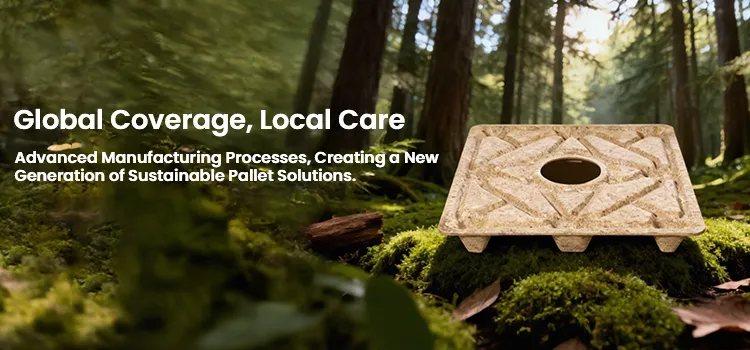
The molded pallet has emerged as a practical solution to this problem. Manufactured from wood fiber and resin under high heat and pressure, a molded wood pallet is a dense, non-porous platform that resists moisture uptake and simplifies cleaning. Leading molded pallet manufacturers have engineered these products specifically for cold chain use, and the results are measurable in reduced mold claims, faster sanitation, and smoother audits. This article examines five advantages that make the molded pallet a superior choice for cold chain export, from moisture resistance and cleaning design to dimensional stability and compliance.
Low Moisture Content and Hydrophobic Chemistry: The First Line of Mold Defense
Mold requires moisture. The most direct way to prevent mold on a pallet is to remove the moisture that supports it, and this is where the molded pallet begins with a structural advantage. Traditional wooden pallets are kiln-dried to roughly 12% to 18% moisture, and they reabsorb water during humid transit. A molded wood pallet is manufactured at temperatures of 180°C to 220°C and pressures up to 1,600 tons, driving residual moisture down to a controlled 6% to 8%. This low baseline means the pallet starts below the threshold where mold spores can germinate.
The adhesive chemistry reinforces this advantage. A molded pallet manufactured with MDI resin forms an irreversible polyurethane cross-linked structure that repels water rather than absorbing it. Independent testing shows that MDI-bonded molded pallets absorb only a small fraction of the moisture taken up by untreated wood under the same conditions. For a molded pallet manufacturer serving cold chain clients, this hydrophobic behavior is the foundation of mold prevention. A molded wood pallet from a qualified supplier does not become a wet substrate in a refrigerated container, and an export pallet that stays dry does not feed mold. Fumigation-free molded pallets carry this moisture resistance into every shipment, eliminating the wet-pallet pathway that drives cold chain contamination claims.
Non-Porous, Nail-Free Surfaces: Cleaning Advantages That Reduce Contamination Risk
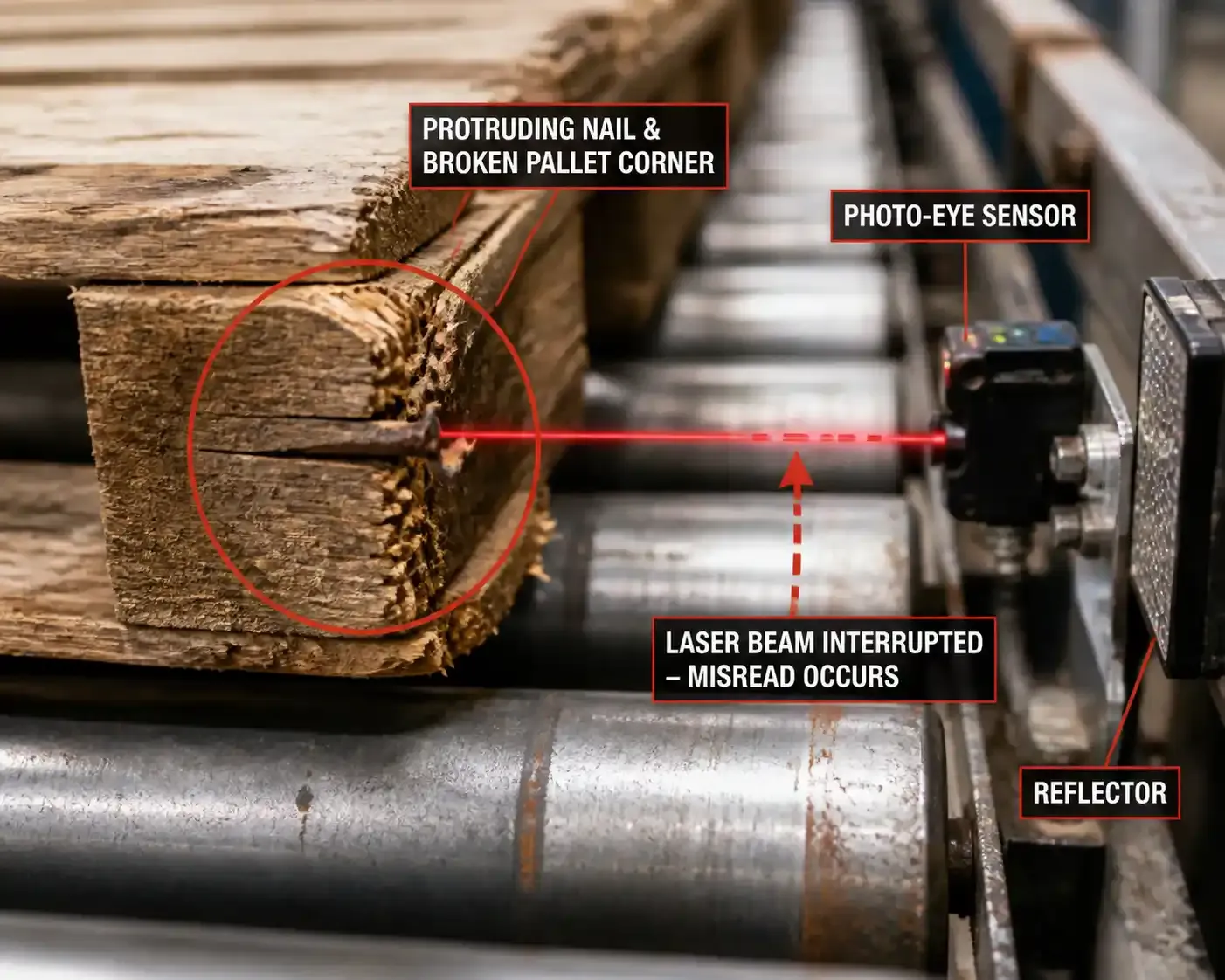
Cold chain sanitation requires surfaces that can be cleaned quickly and verified. Traditional wooden pallets are difficult to clean because they are assembled from multiple boards with gaps, nail holes, and splintered edges. Debris and moisture lodge in these crevices, and cleaning requires pressure washing, chemical treatment, and extended drying time. A molded pallet is a one-piece structure with a smooth, sealed surface and no fasteners. There are no cracks for debris to enter and no nail holes to harbor bacteria.
This design difference transforms cleaning. A molded wood pallet can be wiped down or rinsed in a fraction of the time required for a wooden pallet, and it dries quickly because it does not absorb water. For a cold storage facility where pallets move continuously between freezer, dock, and truck, this speed matters. A molded pallet manufacturer that designs for hygiene delivers a platform that supports HACCP cleaning verification rather than complicating it. The export pallet becomes easier to sanitize, and the fumigation-free molded pallets used in food and pharmaceutical cold chains reduce the labor and water consumption associated with pallet sanitation. When cleaning is faster and more effective, contamination risk falls.
Chemical and Biological Cleanliness: Why Material Composition Matters in Cold Storage
Mold prevention is not only about moisture; it is also about the nutrients available to mold and bacteria. Wood is an organic material, and its surface can support microbial growth when moisture is present. A molded pallet is manufactured at temperatures that sterilize the fiber, destroying mold spores, fungi, and pathogens during production. The MDI bond is formaldehyde-free and contains no substances flagged under REACH or RoHS, making the pallet suitable for food and pharmaceutical contact.
The one-piece construction eliminates the organic debris that accumulates in wooden pallet joints. There are no bark pockets, no splinters, and no exposed fiber ends that can trap food particles. For a molded pallet manufacturer supplying cold chain exporters, this cleanliness is a compliance feature. A molded wood pallet does not introduce biological contamination into a sealed refrigerated container, and an export pallet that is chemically inert does not release volatile organic compounds that could taint sensitive cargo. Fumigation-free molded pallets also avoid the chemical residues associated with methyl bromide fumigation, which is particularly important for food-grade shipments. The result is a pallet that supports hygiene rather than undermining it.
Dimensional Stability and Condensation Resistance: Maintaining Fit and Hygiene Through Freeze-Thaw Cycles
Cold chain logistics subjects pallets to repeated condensation. A pallet moves from a freezer at minus 18°C to a humid dock at 25°C, and moisture condenses on its surface. Traditional wooden pallets absorb this moisture, swell, warp, and develop gaps where water pools and mold grows. A molded pallet maintains its dimensions through these cycles because its MDI-bonded structure resists water uptake and its one-piece geometry does not depend on joints that move independently.
This dimensional stability has a direct hygiene benefit. A molded wood pallet that stays flat and square does not create gaps between the pallet and the cargo where moisture can collect. It does not warp into shapes that trap water and debris. For a molded pallet manufacturer focused on cold chain performance, stability is a design requirement, not a bonus. The export pallet remains compatible with automated handling and racking through repeated freeze-thaw exposure, and the fumigation-free molded pallets avoid the warping that turns a clean pallet into a contaminated one. When the pallet maintains its geometry, cleaning remains effective and mold has fewer places to establish.
Compliance and Hygiene Standards: How Fumigation-Free Molded Pallets Support Cold Chain Audits
Cold chain exporters face audits from customers, regulators, and certification bodies. These audits examine pallet condition, cleaning records, and pest control. A traditional wooden pallet requires documentation for ISPM 15 treatment and generates inspection findings when stamps fade or boards degrade. A molded pallet simplifies the audit because it is permanently exempt from ISPM 15 as processed wood. No fumigation certificate, no heat treatment record, and no IPPC stamp are required. The molded pallet manufacturer provides a Material Declaration and exemption statement, and the export pallet clears customs without treatment delays.
The hygiene documentation is equally straightforward. A molded wood pallet is cleanable, non-porous, and does not support mold growth, which aligns with HACCP and GDP requirements for transport equipment. For a molded pallet manufacturer serving pharmaceutical and food exporters, this alignment is a selling point. Fumigation-free molded pallets eliminate the chemical treatment step that could introduce residues into sterile packaging, and they provide a consistent, verifiable surface for cleaning validation. When an auditor asks how pallets are cleaned and protected from contamination, the molded pallet offers a simpler, more defensible answer than a wooden pallet with cracks and nails.
Conclusion: Mold Prevention and Cleaning Are Design Outcomes
Mold prevention and cleaning efficiency in cold chain export are not achieved by adding procedures to a wooden pallet. They are achieved by choosing a pallet whose material and geometry are designed for the environment. The molded pallet delivers low moisture content, hydrophobic MDI chemistry, a non-porous nail-free surface, dimensional stability through freeze-thaw cycles, and compliance clarity. These five advantages reduce mold risk, simplify sanitation, and support cold chain audits.
Leading molded pallet manufacturers have refined these characteristics for export use, and the molded wood pallet is now a practical choice for food, pharmaceutical, and high-value consumer goods moving through refrigerated supply chains. For exporters seeking an export pallet that protects both cargo and hygiene reputation, fumigation-free molded pallets offer a proven solution. The technology is mature, the cleaning benefits are measurable, and the mold prevention is built into the product rather than bolted on after the fact.


