

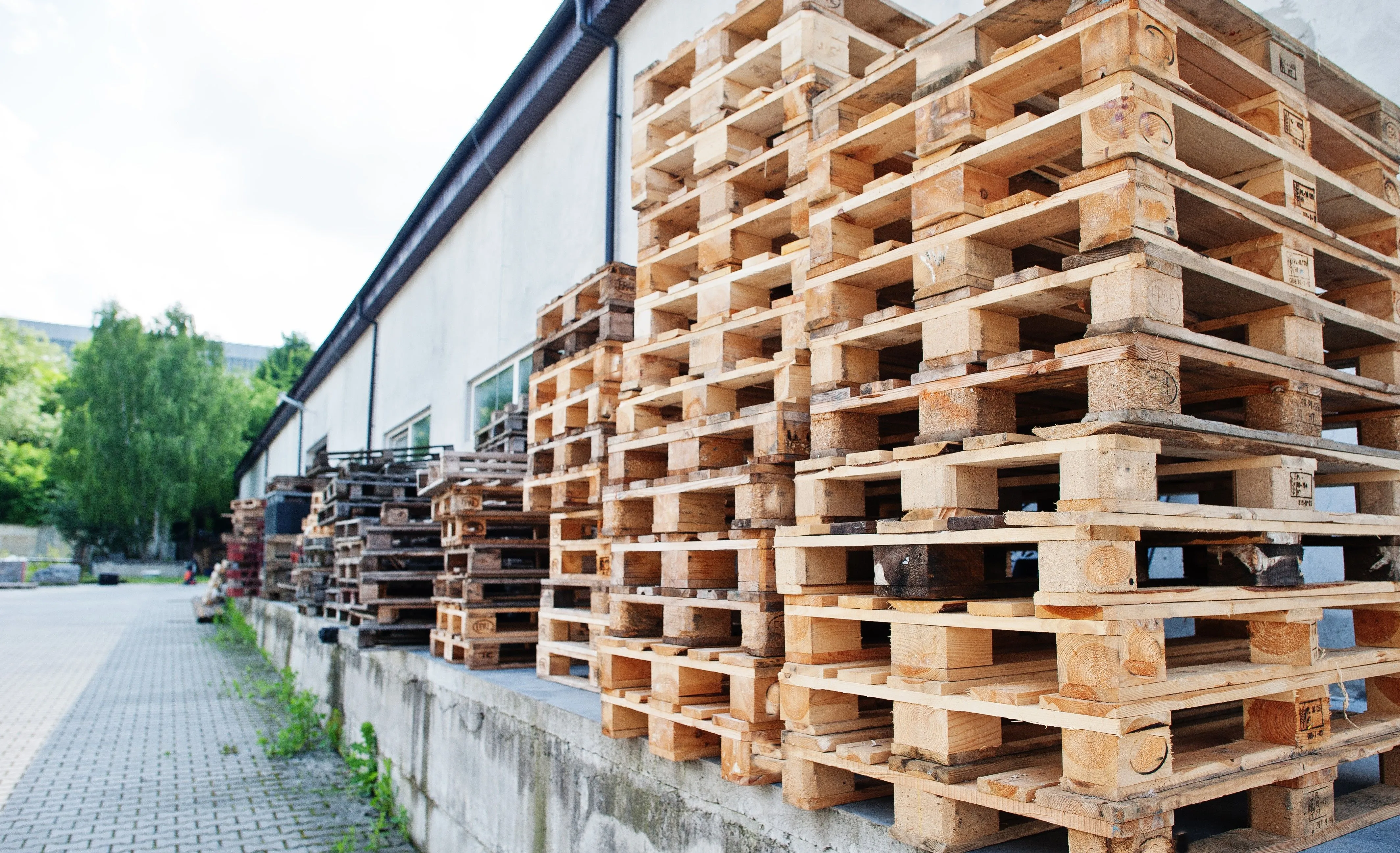
Background: A Growing Furniture Exporter with a Costly Pallet Problem
A mid-sized furniture manufacturer based in Vietnam had built a successful export business serving customers in the United States, Germany, and Australia. Annual shipment volume reached 3,200 pallets, and revenue was climbing. Yet profit margins were under pressure. Management initially blamed rising labor costs and raw material prices. A logistics audit revealed a different culprit: the company’s traditional wooden pallets.
The audit uncovered three interconnected problems. First, every international shipment required ISPM 15 heat treatment or fumigation, adding approximately $5.60 per pallet in recurring costs. That translated to nearly $18,000 per year in direct treatment fees alone. Second, fumigation added two to three days to every shipment, and during peak season, delays stretched to a week. Third, wooden pallets were absorbing moisture during ocean transit, causing warping, mold growth, and product damage. Customer claims had reached $34,000 annually.
The Challenge: Fumigation Delays, Moisture Damage, and Rising Costs
The fumigation requirement was the most frustrating issue. Treatment schedules were unpredictable, and a single faded IPPC stamp could trigger a customs hold, costing thousands in demurrage fees. The company’s on-time delivery rate had fallen to 86 percent, and two major retailers had issued warnings about late shipments.
Moisture damage was equally damaging. The furniture, including wooden cabinets and upholstered sofas, arrived with mold spots and water stains. Replacement shipments added further costs, and the company’s reputation for quality was suffering. Traditional wooden pallets, with their nailed construction and natural moisture absorption, were simply not suited for humid ocean transit.
The Solution: Switching to Fumigation-Free Molded Pallets
The company partnered with a molded pallet manufacturer specializing in export-grade presswood pallets. The selected molded wood pallet was a heavy-duty 1200 by 1000 millimeter configuration, offering a dynamic load capacity of 2,000 kilograms and a static load capacity of 8,000 kilograms. The molded pallet is manufactured from recycled wood fibers bonded with MDI resin under 1,600 tons of pressure at 200°C. This process sterilizes the material and classifies the pallet as processed wood, making it permanently exempt from ISPM 15 fumigation.
The molded pallet addressed every pain point directly. Fumigation-free molded pallets eliminated treatment fees and customs delays. The one-piece, nail-free construction prevented product damage. The moisture-resistant MDI bond stopped warping and mold growth. And the nestable design, achieving a four-to-one stacking ratio, reduced empty pallet storage height by 70 percent.
Implementation: A Phased Three-Month Pilot
The transition was managed through a structured pilot. In month one, the company tested molded pallets on a single export lane to the United States, shipping 150 units loaded with cabinets. In month two, the pilot expanded to Germany-bound shipments. In month three, the company committed to full adoption across all export lanes. The molded pallet manufacturer provided training and documentation for customs clearance. The fumigation-free molded pallets moved directly from production to container without any treatment step.
The Results: $18,000 Saved and a 42% Logistics Cost Reduction
The results over the following twelve months exceeded expectations. The $18,000 in annual fumigation fees was eliminated entirely. Customs delays dropped from an average of 2.5 days per shipment to zero. On-time delivery rose to 99.2 percent. Product damage claims fell by 89 percent, from $34,000 to $3,700 per year.
Freight costs declined by 42 percent. Because the molded pallet weighs 60 percent less than the previous wooden pallets and nests at a four-to-one ratio, the company could fit 1,650 pallets per 40-foot container instead of 450. Warehouse space requirements dropped by 68 percent, freeing 420 square meters for production use. The molded wood pallet became a strategic asset rather than a disposable expense.
When all cost categories were combined, the total logistics cost reduction reached 42 percent, annualizing to $287,000 in savings. The molded pallet investment paid for itself in under twelve months. The company also reduced its carbon footprint by 54 percent, supporting its sustainability reporting goals.
Conclusion: A Proven Export Pallet Solution
For furniture exporters still relying on traditional wooden pallets, this case study offers a clear lesson. The molded pallet is not just a shipping platform—it is a strategic asset that eliminates fumigation costs, prevents moisture damage, reduces product claims, and frees warehouse space. By partnering with a qualified molded pallet manufacturer, the company transformed its export logistics from a cost burden into a competitive advantage. The technology is proven, the savings are documented, and the transition is achievable for any export operation willing to make the switch.


