

Greybridge Industries, a precision industrial components manufacturer, faced persistent profit erosion from unpredictable logistics failures. Shipments were delayed over customs documentation in Hamburg. Products were damaged by splintered pallets in Singapore. The company ultimately lost a major European contract due to inflated landed costs.
Operations Director Laura Mitchell identified the root cause: conventional wood pallets creating systemic inefficiencies. Her audit revealed three critical issues. Eighty percent of export volume mandated costly ISPM 15 treatments, risking documentation errors that triggered customs holds. Non-nesting designs consumed seventy-three percent more container space than compressed pallet alternatives. Heavy pallets slowed handling, and protruding nails caused repeated product damage.
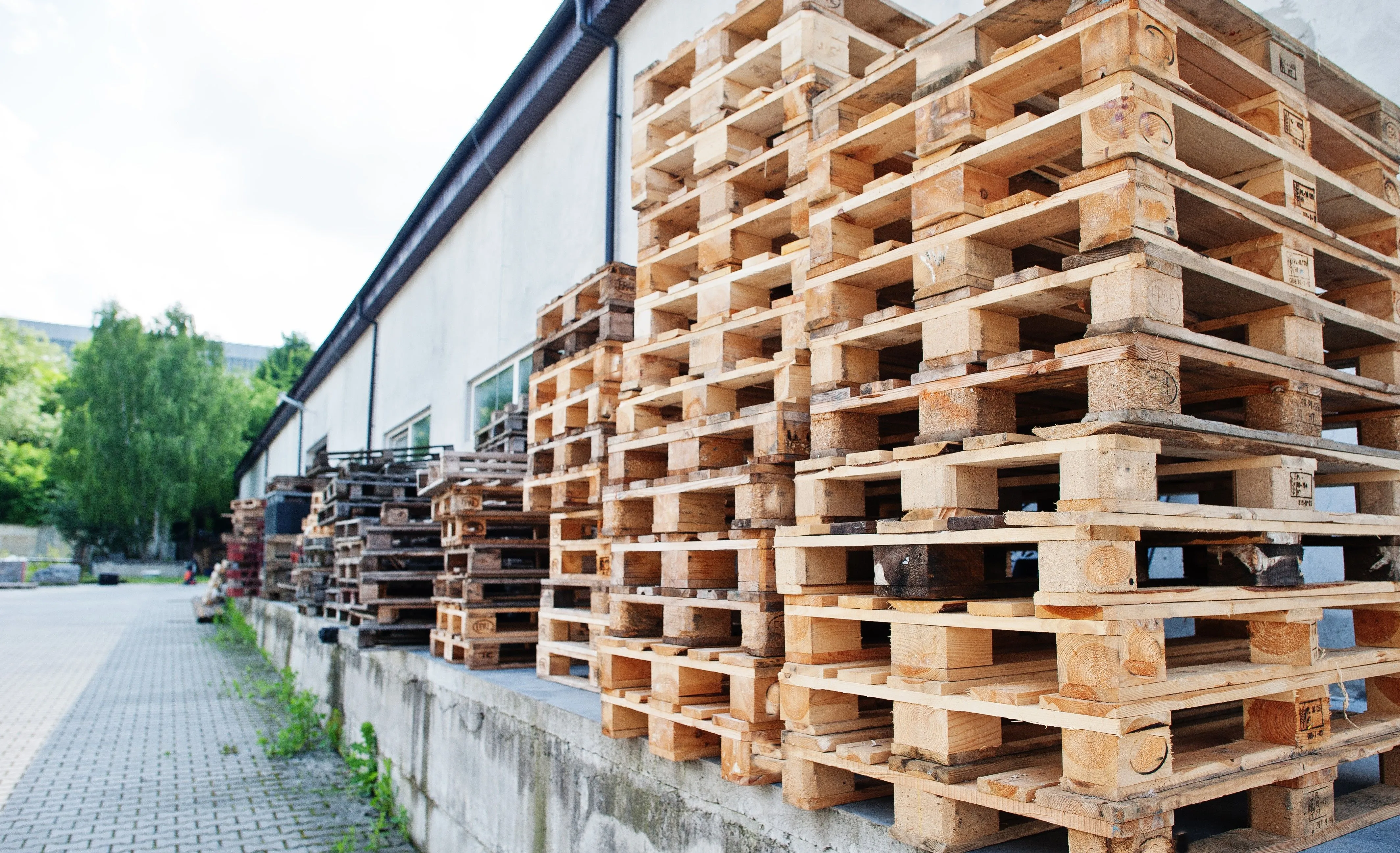
Mitchell transitioned to high-density presswood pallets after rigorous total cost of ownership analysis. The molded pallet's thermal manufacturing process eliminated fumigation costs and compliance risks. The nestable design allowed 1,650 molded pallets per container versus 450 wooden pallets. The nail-free construction prevented product damage.
A three-month pilot on Germany-bound shipments delivered transformative results. Customs delays dropped from three to five incidents monthly to zero. Inbound freight costs fell from $18,600 per month to $5,200 – a seventy-two percent reduction. Pallet damage claims were eliminated entirely. Warehouse space requirements dropped from 540 square feet to 182 square feet – a sixty-six percent reduction.
The cumulative impact was substantial: a twenty-two percent total logistics cost reduction, annualizing to $387,000 in savings. The company achieved a fifty-eight percent lower carbon footprint and a 99.2 percent on-time delivery rate. As Mitchell stated: "These compressed wood pallets fundamentally upgraded our logistics infrastructure. Beyond erasing $400,000 in hidden costs, they established our competitive positioning for European expansion."


