

Background: Fresh Seafood, Unforgiving Logistics
Oceanic Fresh Exports, a seafood exporter based in Tasmania, ships chilled and frozen seafood to distributors in Japan, China, and the United Arab Emirates. The company uses approximately 2,200 pallets per year. Product value is high, shelf life is short, and temperature control is critical. A single temperature excursion or packaging failure can render an entire container unsaleable.
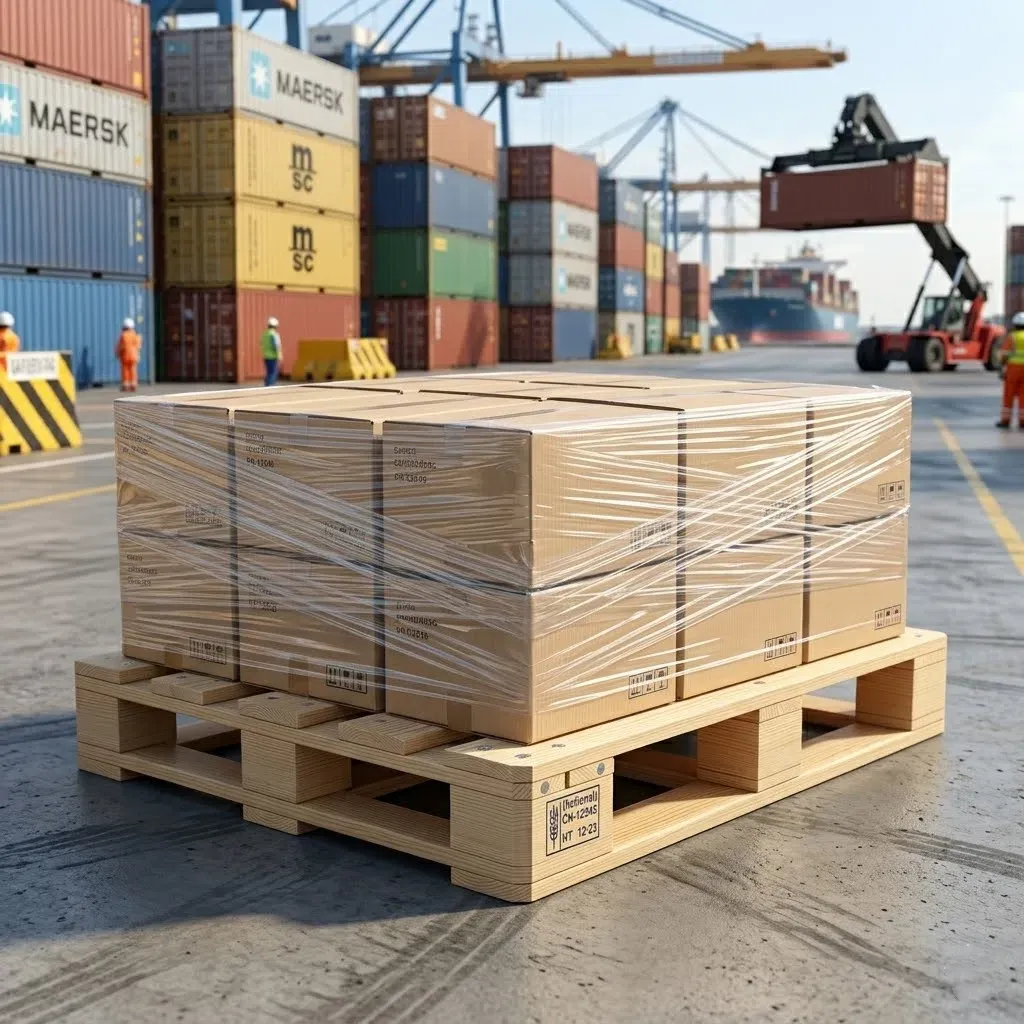
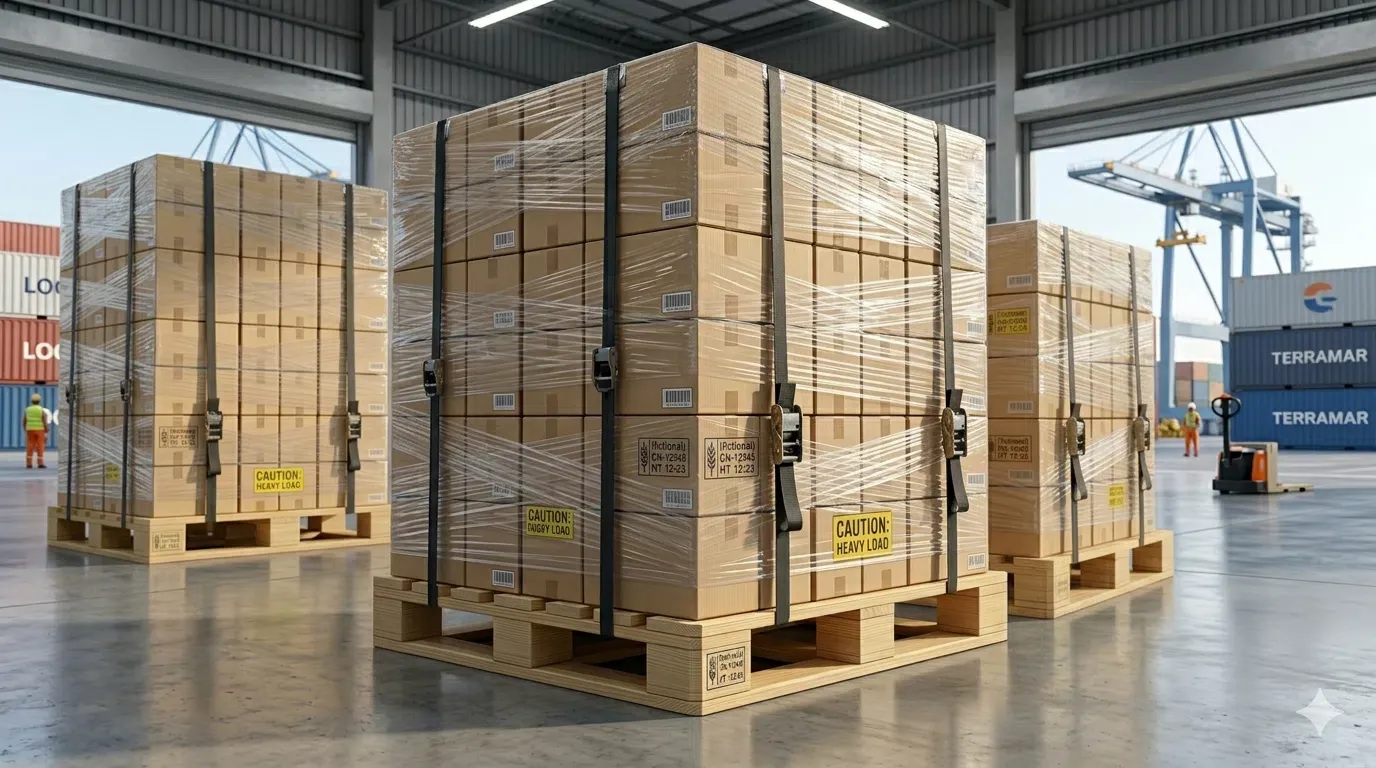
Oceanic Fresh had relied on traditional wooden pallets, but the cold chain environment exposed their weaknesses. Wooden pallets absorbed moisture during condensation cycles, and the moisture migrated into cartons, causing label damage and occasional mold growth on outer packaging. The company also faced recurring ISPM 15 treatment costs and delays. In one shipment to Japan, a customs hold over a faded IPPC stamp delayed delivery by five days, and the customer rejected two pallets of chilled product.
The Challenge: Moisture, Mold, and Treatment Delays
Operations manager Liam Harper identified three problems. First, fumigation added two to three days to every export order and cost roughly $5 per pallet. Second, moisture absorption by wooden pallets created condensation damage in cold chain transit. Third, pallet quality was inconsistent—some pallets arrived warped, causing unstable stacks in refrigerated containers.
Harper needed a pallet that was fumigation-free, moisture-resistant, and dimensionally consistent. He also wanted a supplier who could provide load test data and a material declaration for customs.
The Solution: Sentong Fumigation-Free Molded Pallets
Harper contacted Sentong, a molded pallet manufacturer serving food and cold chain exporters. Sentong recommended a molded wood pallet in the 1200 by 1000 millimeter format, with a dynamic load capacity of 2,000 kilograms and a static load capacity of 8,000 kilograms. The pallet is manufactured from recycled wood fiber bonded with MDI resin under high heat and pressure. The MDI bond creates a hydrophobic structure that resists moisture absorption, and the one-piece, nail-free construction eliminates packaging damage.
Sentong provided a Material Declaration confirming permanent ISPM 15 exemption, along with load test reports and samples for independent testing. Harper ran a three-month pilot on the Japan lane, shipping 180 pallets through chilled and frozen conditions.
The Results: Zero Mold Claims and 24% Lower Logistics Costs
The pilot results were clear. Pallet-related customs holds dropped to zero, and on-time delivery improved from 88% to 99.1%. The company eliminated approximately $11,000 in annual treatment fees.
Moisture damage was eliminated. The molded pallet’s low moisture content and hydrophobic chemistry prevented condensation transfer to packaging. Mold-related rejections fell to zero, and customer claims for packaging damage dropped by 92%.
Freight costs declined by 24%. The molded pallet weighs about 40% less than the previous wooden pallets, and the nestable design reduced empty pallet storage space by 68%. Harper calculated the total logistics cost reduction at 26%, annualizing to approximately $98,000 in savings. The molded pallet investment paid for itself in under fifteen months.
Conclusion: A Cold Chain Pallet That Performs
Oceanic Fresh Exports’ experience demonstrates that the molded pallet is well suited to cold chain logistics. Sentong’s fumigation-free molded pallets eliminated ISPM 15 treatment, resisted moisture absorption, and maintained dimensional stability through condensation cycles. For food exporters shipping temperature-sensitive cargo, the molded wood pallet from a reliable molded pallet manufacturer protects both the product and the delivery schedule. The switch delivered measurable savings and a 99.1% on-time delivery rate—proof that the right pallet can be a strategic asset in cold chain export.


